
Last updated October 16, 2026
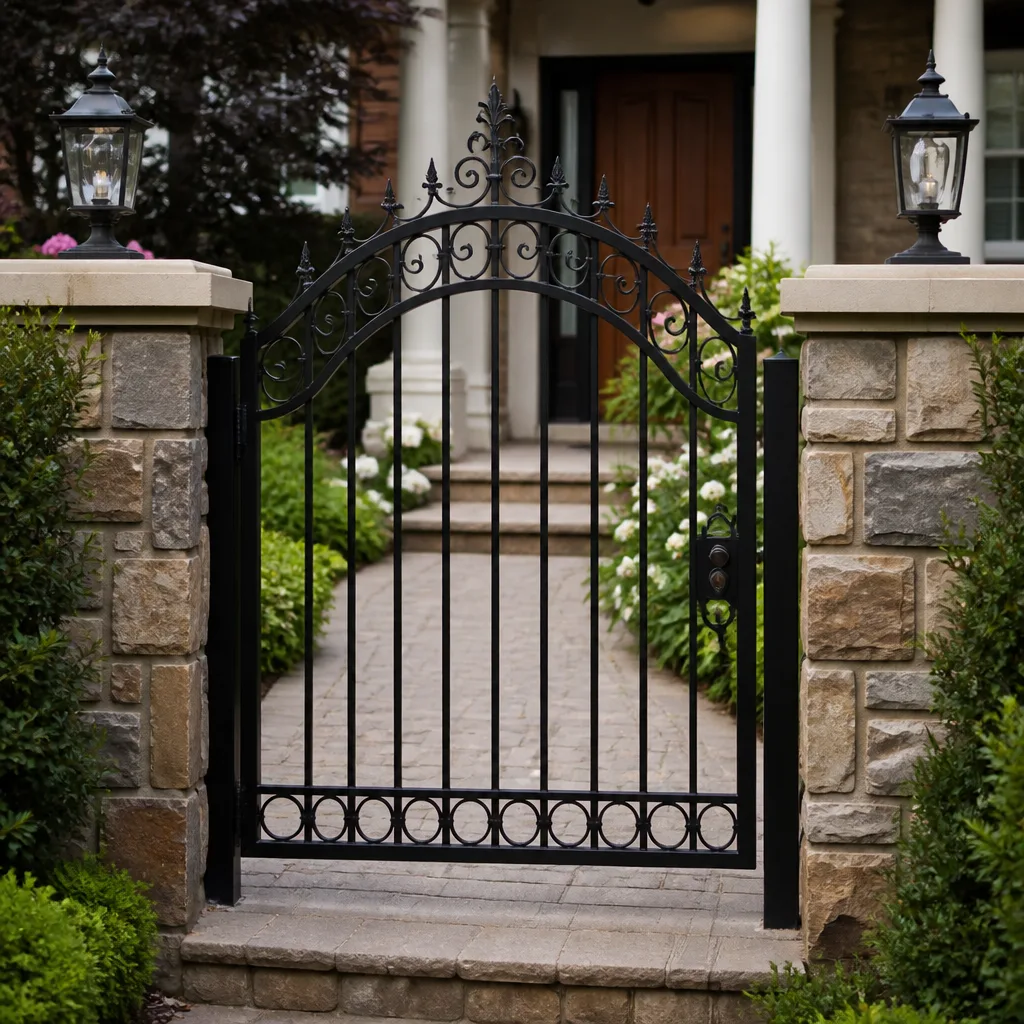 Wrought iron
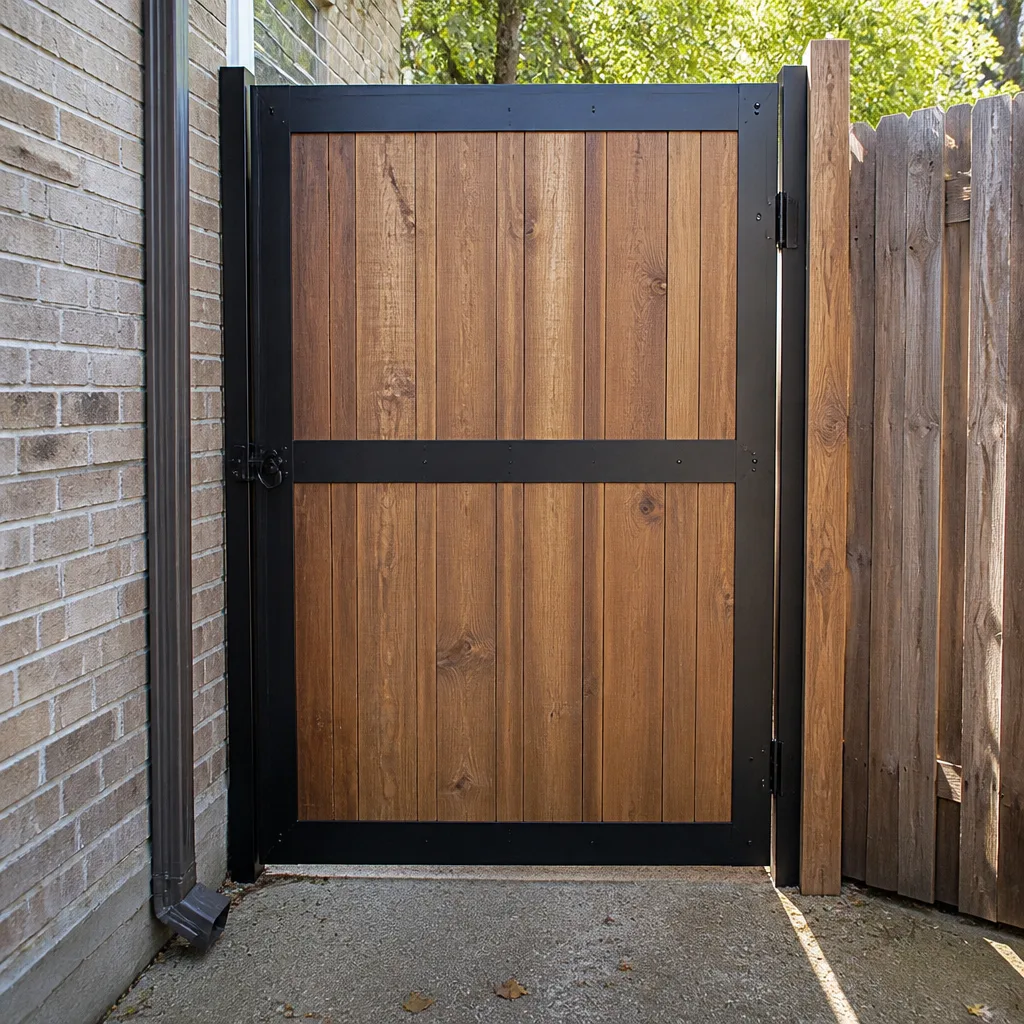 Wood & steel frame
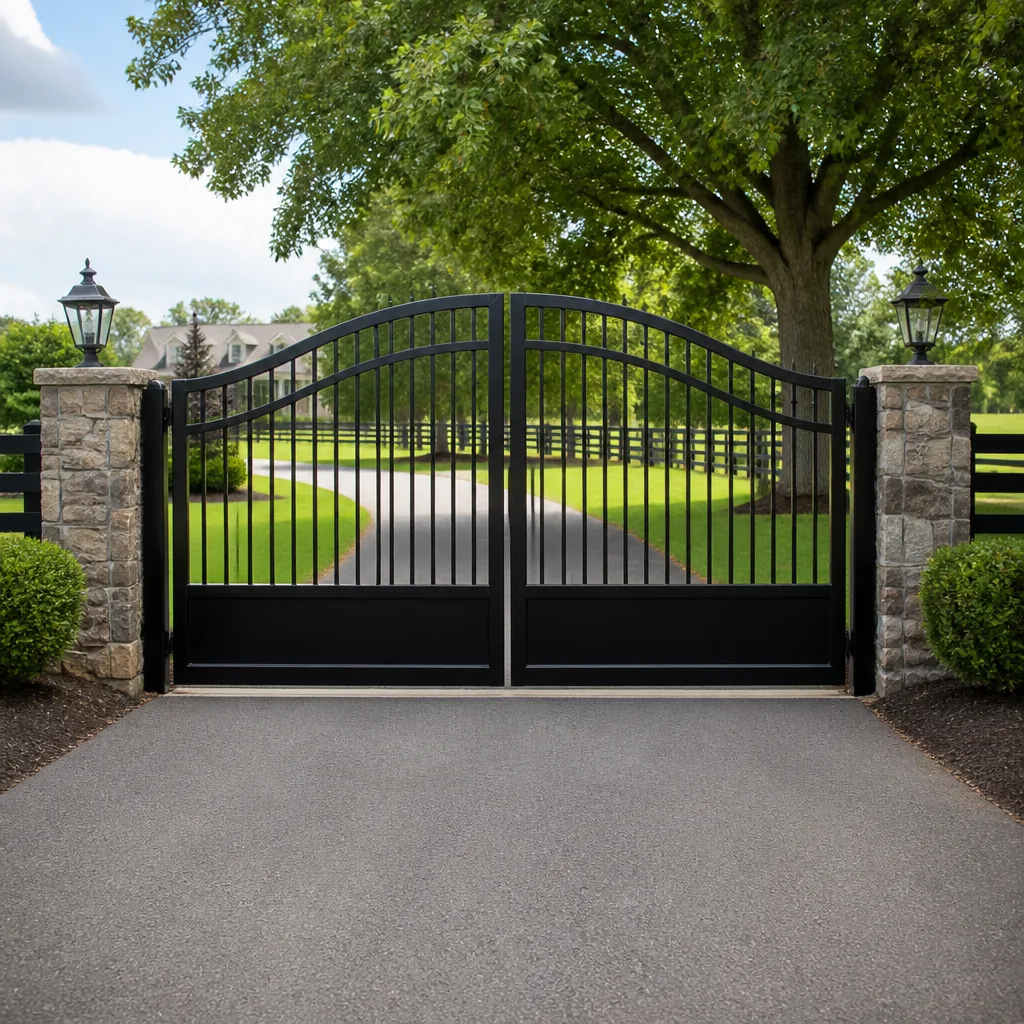 Farm & ranch
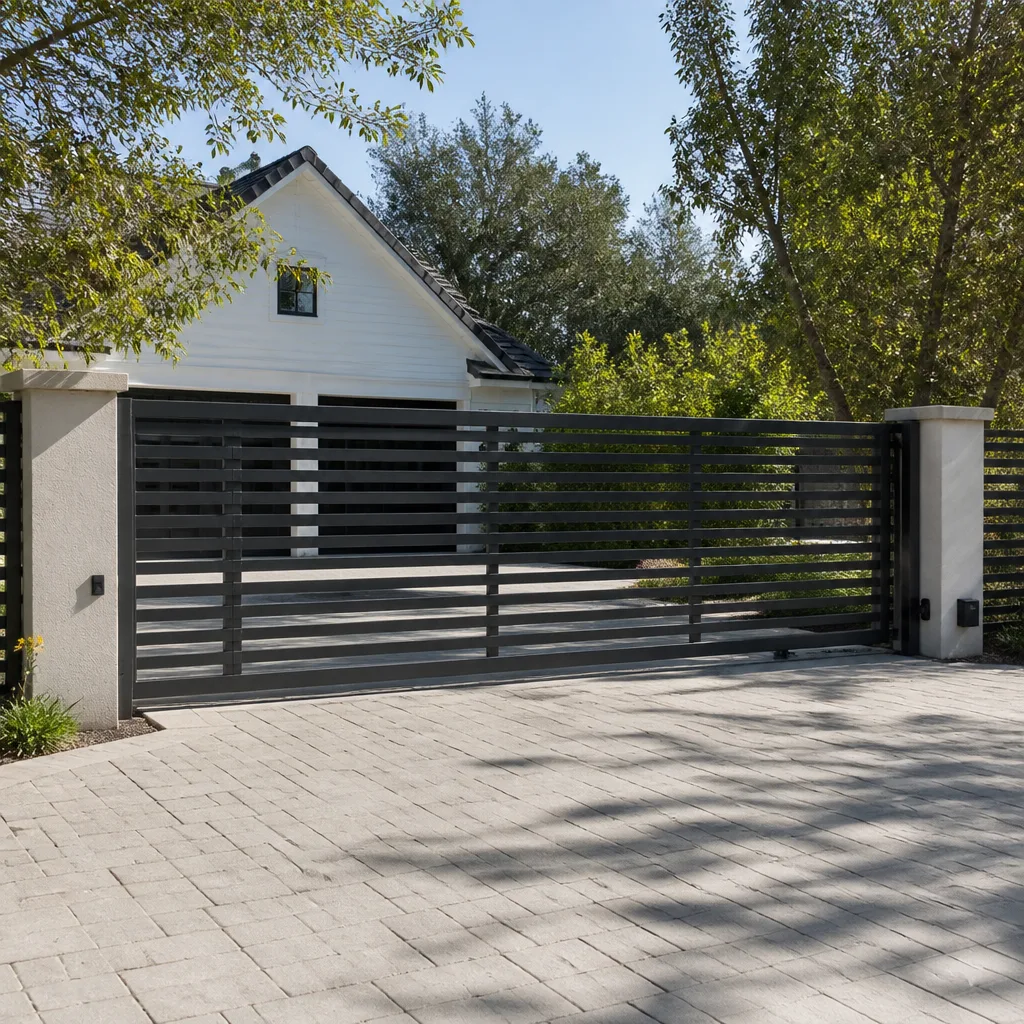 Sliding driveway gates
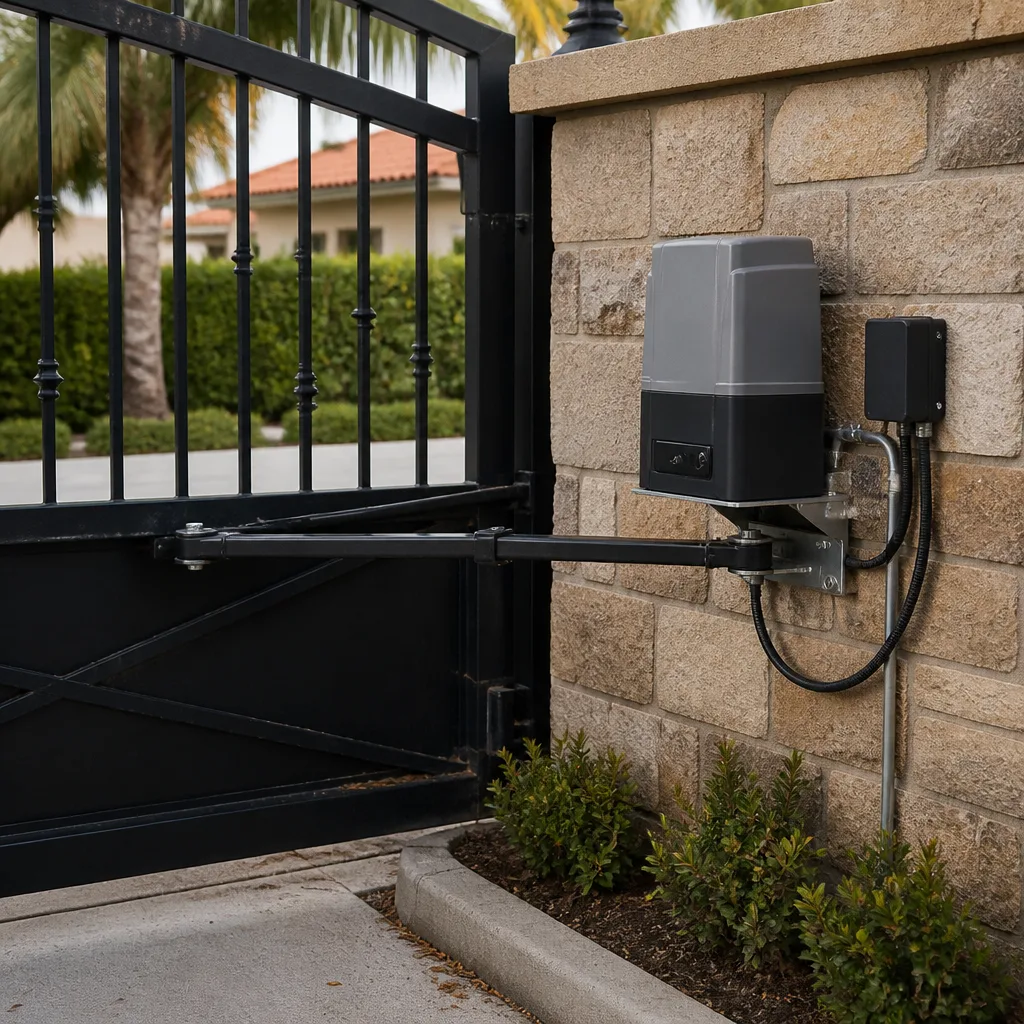 LiftMaster operators
Free on-site gate assessment - hinges, posts, and your LiftMaster or Nice gate operator checked before anything is quoted
The assessment is free and the quote is the invoice.
Get your free estimateThe Complete Guide to Gate Repair in Dallas
A Dallas homeowner who gets three quotes for the same gate repair will often see prices ranging from $180 to $1,400 for identical work. The spread isn’t because the job is ambiguous. It’s because most contractors know the homeowner can’t tell the difference between a hinge weld, a limit switch adjustment, and a post that’s loosening in Dallas clay. This guide maps every common gate failure in Dallas to its real-world repair scope, so you can evaluate quotes with a trained eye instead of blind trust. For more detail, see our Gate Repair Cost Breakdown: The Dallas Homeowner’s Reference for 2026.
Styles & brands we work with
Quick Answer
Gate repair in Dallas typically costs between $180 and $1,400 depending on whether the failure is mechanical, electrical, or structural. Most problems trace back to one of three overlooked failure points: the hinge weld, the limit switch calibration, or the ground-level post anchor. A written, itemized quote that names the specific component being repaired is the single best predictor of an honest price.
Table of Contents
- The Three Failure Zones Every Dallas Gate Has
- How to Match Your Symptom to the Right Repair
- Why Dallas Clay Soil Causes Post-Anchor Failures
- Gate Motor Brands Common in Dallas and Parts Availability
- Repair Scope vs. Replacement Recommendation
- What a Written, Itemized Quote Should Include
- What Each Repair Type Costs in Dallas
- Common Mistakes to Avoid
- When to Call a Professional
- Frequently Asked Questions
- The Bottom Line
The Three Failure Zones Every Dallas Gate Has
Every gate, whether it swings on hinges or slides on a track, has three distinct systems that can fail independently. Knowing which one is causing your symptom is the difference between a $200 repair and a $1,200 replacement quote that you don’t actually need.
The first zone is mechanical. This covers everything that physically moves: hinges, wheels, track, chain, the articulating arm on a swing operator, and the gate’s own weight-bearing hardware. Mechanical failures announce themselves with grinding, sagging, or a gate that resists movement by hand.
The second zone is electrical. This includes the motor, the control board, the limit switches that tell the motor where to stop, the loop detector that senses a car’s presence, photo eyes, and the keypad or remote receiver. Electrical failures show up as a gate that won’t respond, opens partway and reverses, or moves erratically.
The third zone is structural. This is the post the gate hangs from, the concrete or steel anchor at its base, and the weld points where hardware meets metal. Structural failures often look like alignment problems: the gate drags on one corner, the latch no longer lines up, or the gap at the hinge side has widened over months.
In our experience serving Dallas homeowners, most repair quotes get inflated when a contractor blurs these zones. A post anchor that’s loosening in clay soil gets quoted as a full motor replacement. A limit switch that’s drifted out of calibration gets quoted as a new operator. When you can name the zone, the quote gets honest fast.
How to Match Your Symptom to the Right Repair
Start with what the gate is doing, not what you think is wrong. The symptom tells you the zone before anyone touches the property.
- The gate sags, drags, or scrapes the ground on one side. This is mechanical or structural. A worn hinge weld or a post that’s leaning in Dallas clay is shifting the gate’s weight. The motor is usually working fine; it’s fighting a load that’s out of alignment. Expect a hinge rebuild, a post re-anchor, or both.
- The gate opens partway, stops, and reverses. This is electrical in most cases. A limit switch that has drifted out of calibration is telling the control board the gate has reached its travel limit when it hasn’t. The board responds by reversing. The fix is recalibration, not a new motor.
- The gate won’t respond to the remote, keypad, or both. This is electrical. Power supply, receiver board, or wiring connection. A technician should check the breaker, the surge protection, and the receiver before quoting any motor work.
- The gate makes a grinding or squealing sound. This is mechanical. A hinge pin that’s lost lubrication, a wheel bearing that’s failing, or a chain that’s stretched beyond tension adjustment. Small fixes if caught early.
- The gate moves but the latch won’t catch or the closed position drifts. This is structural or mechanical. The post has moved, or the hinge weld has stretched. The gate is now closing into a position its hardware wasn’t built for.
Write down exactly what the gate does before you call anyone. A technician who listens to a specific symptom and responds with a specific diagnosis, in plain language, is the one you want to keep talking to. For a broader look at repair scope, see Gate Repair in Dallas.
Why Dallas Clay Soil Causes Post-Anchor Failures
Dallas sits on expansive clay soil. It swells when wet and shrinks when dry, and it moves enough to crack foundations, sidewalks, and gate post footings. A gate post set in a standard concrete pour can begin to lean within three to five Dallas summers, even when the original installation was done correctly.
Here’s the problem: a leaning post looks like a motor failure from the outside. The gate starts dragging. The motor strains, overheats, and trips its thermal protection. A homeowner calls for motor repair, but the motor isn’t the issue. The post moved underneath the gate and changed its geometry.
A competent technician in Dallas should check post plumb before quoting any motor work. Here’s what that check looks like:
- Place a 4-foot level against the post on two faces, 90 degrees apart.
- Measure any gap between level and post at the top and bottom. More than 3/8 inch of deviation indicates movement.
- Rock the gate by hand and watch the post base for any visible movement at ground level.
- Check the gap between gate and post at the hinge side. A wider gap at the top than the bottom means the post is leaning away.
The fix for a failed post anchor in Dallas is either re-setting the post in a deeper footing, adding a steel collar or bracket, or re-welding hardware to compensate for the lean. The right answer depends on how much the post has moved and what the gate weighs. What it is not, in most cases, is a new gate motor. Contractors who skip the level check and quote a motor are either in a hurry or counting on the homeowner not knowing the difference.
Gate Motor Brands Common in Dallas and Parts Availability
Dallas gate systems are not standardized. Walk through Preston Hollow, Lake Highlands, or a gated community in Frisco and you’ll find a mix of operators installed over the past two decades. The brand on the motor matters because it determines whether parts are on a local shelf or arriving by freight in two weeks.
The operators we most often see on Dallas properties include LiftMaster, DoorKing, Elite, and Mighty Mule, along with FAAC, BFT, Linear, Viking, and Ghost Controls on specific installations.
Parts availability breaks down like this:
- LiftMaster and DoorKing: Common on residential and light commercial gates. Control boards, limit switches, and remotes are generally stocked by Dallas supply houses. Same-week repairs are realistic.
- Elite and Mighty Mule: Popular on residential swing gates. Mighty Mule parts are widely available at retail. Elite parts often require a dealer order, adding two to five business days.
- FAAC, BFT, and Viking: These appear on higher-end and commercial installations. Parts frequently route through regional distributors. Expect a week or more on specialty boards or arms.
A repair shop that genuinely works across motor brands will tell you, before quoting, whether the part is local or on order. If a contractor can’t name the brand on your motor without coming out to look, that’s useful information. Our technicians are trained on DoorKing, Elite, LiftMaster, and Mighty Mule, among others, and we can typically identify the system and parts availability from photos before we dispatch. For motor-specific failures, start with Gate Motor Repair in Dallas.
Repair Scope vs. Replacement Recommendation
A repair fixes the failed component. A replacement swaps the entire system. Those are different jobs with different prices, and a homeowner should always know which one is being quoted.
Here’s how to tell. A repair quote names a specific part: limit switch, hinge weld, control board, capacitor, photo eye, chain tensioner. The job is confined to that component, and the price reflects labor plus one part. A replacement quote names an entire assembly: new swing operator, new gate leaf, new post with footing. That may be the right call, but it should be justified.
Questions that reveal which one a contractor is actually quoting:
- “Which specific component failed, and what did your testing show?” A repair-minded tech answers with a test result, not a vibe.
- “What would this gate look like in two years if we only fix that component?” A good answer tells you whether the repair buys time or solves the problem.
- “Is the rest of the system compatible with this repair, or are we working around an obsolete part?” On older motors, a repair can become a recurring cost if the board architecture is outdated.
- “Why does this need replacing instead of repairing?” The answer should be specific: cracked weld that can’t be safely re-welded, board that’s no longer manufactured, post that’s rusted through at the base.
Legitimate replacement recommendations do happen. A Mighty Mule operator from 2009 with a failed board may cost more to repair than to replace with a current model. A steel post that’s rusted through at ground level should not be patched. The difference is that a straight contractor tells you the repair price and the replacement price, explains the trade-off, and lets you decide. A contractor who only offers one number has already made the decision for you.
What a Written, Itemized Quote Should Include
A written quote is the single strongest protection a Dallas homeowner has against price inflation. If the quote isn’t written, and isn’t itemized, the number is a suggestion, not a commitment.
A legitimate gate repair quote should include:
- The specific failure: “Limit switch out of calibration, DoorKing 1601 series” not “motor issue.”
- The specific repair: “Recalibrate limit switch, test 20 cycles under load.” Not “fix motor.”
- Parts listed separately from labor: Control board $X, installation labor $Y. If parts and labor are rolled into one number, ask for the split.
- A trip or diagnostic fee, stated up front: Say whether it’s waived with the repair or charged regardless.
- The guarantee period: What’s covered, for how long, and whether a second visit is free if the repair fails inside that window.
- The total, in writing, before work starts: The price quoted is the price paid. No “unexpected conditions” unless those conditions get written and approved before being touched.
Red flags on a Dallas gate repair quote include vague descriptors like “tune-up” or “service visit,” parts listed without brand or part numbers, a labor line that looks disproportionate to the job, and any refusal to put the number in writing before starting. A contractor who hesitates at the words “written quote” has already told you how the rest of the job will go.
We work to The Garrison Standard at Carver Gate Repair Dallas home. That means a written price before any work starts, on every job, with the scope named in plain language. The number doesn’t move at the door.
What Each Repair Type Costs in Dallas
Prices in Dallas vary by gate weight, motor brand, and access, but these ranges reflect what we’ve seen on standard residential gates across the metro.
- Hinge replacement (standard steel gate): $180 – $350. Single or double hinge, standard weight gate, no post work.
- Limit switch recalibration: $150 – $250. Covers testing both open and close limits and confirming under load.
- Post re-anchor or brace (clay soil movement): $300 – $700. Includes excavation or bracket work depending on the footing condition.
- Control board replacement: $350 – $750. Board cost varies widely by brand. DoorKing and LiftMaster boards sit at the lower end, FAAC and BFT at the upper.
- Swing operator replacement (full unit): $800 – $1,400. Includes new arm or piston, mounting, limit setup, and remote programming.
- Slide gate wheel or track repair: $250 – $500. Replacing wheels and adjusting track alignment on a standard residential slide gate.
These are the numbers to hold in your head when quotes come back. A $1,400 quote for a hinge replacement is not an honest quote. A $350 quote for a full operator replacement is too good to be true, and the compromise will show up somewhere: a used part, no guarantee, or a technician who’s gone the first time the gate acts up.
For full replacement work outside the repair scope, see Gate Installation in Dallas.
Common Mistakes to Avoid
- Calling the first number without a written quote. A quote that isn’t written isn’t a quote. Get it before work starts, every time, no exceptions.
- Ignoring a gate that’s started to sag or scrape. In Dallas, a sagging gate usually means a post or hinge is failing. The longer it runs out of alignment, the more the repairs multiply.
- Replacing a motor that isn’t the problem. A leaning post can make a healthy motor trip its overload every afternoon. Check structure before condemning the operator.
- Buying parts online without a diagnosis. A cheap control board from an online retailer won’t calibrate itself, and the wrong board can take out other components on install.
- Accepting “same as cash” or cash-only pricing. No invoice, no trail, no guarantee. A business that works for cash only is telling you what its word is worth.
- Patching a rusted post at the base. Surface patching buys months, not years. A post that’s compromised at ground level needs replacement or a structural collar, not paint and prayers.
When to Call a Professional
If the gate is carrying significant weight and the failure involves a hinge weld, a post anchor, high-tension springs, or any component under mechanical load, this is not a DIY job. A gate leaf can weigh several hundred pounds. A failed weld under that weight releases fast and without warning. The same caution applies to any electrical work on the operator: line voltage is present inside the cabinet, and a shorted board can damage the motor, the wiring, or you. If the symptom is structural, or the gate has started to sag, drag, or bind, stop using it and call a licensed technician. Carver Gate Repair Dallas provides free estimates across Dallas and surrounding areas, with a written price before any work begins. Call (940) 531-9746.
Frequently Asked Questions
Most gate repairs in Dallas land between $180 for a simple hinge or limit switch fix and $1,400 for a full swing operator replacement, with post re-anchoring and control board work falling in the $300 to $750 range. The price depends on which zone failed and which motor brand you have. Call (940) 531-9746 for a written quote specific to your gate, with no charge for the estimate.
Many repairs, including hinge replacements, limit switch recalibration, and common board swaps, can be completed same-day in Dallas if the part is in stock locally. Specialty parts for some import brands may add a few days for ordering. We’ll tell you before we quote whether the part is local or on order.
Intermittent operation usually points to a limit switch drifting out of calibration, a weak capacitor, or a control board that’s overheating as the day warms up. In Dallas, seasonal soil movement can also shift a post just enough that the gate binds on some days and clears on others.
Repairs to the gate itself generally don’t require a permit anywhere in Dallas, but if the repair involves running new electrical conduit, changing a post footing, or structural work on a fence line, local code may apply. A qualified technician should know which scope triggers permitting in your specific situation.
Watch the gate’s alignment at the hinge side. If the gap widens at the top or the latch no longer lines up without the motor running, the post is moving. If the gate’s alignment holds but the motor behaves erratically, the issue is electrical. A level check against the post takes two minutes and settles it.
First, check the photo eyes for alignment and debris, then look for anything in the gate’s travel path. If the gate still stops short, the limit switch needs recalibration or the track has a bind point. Call (940) 531-9746 for a free estimate. We’ll diagnose it before quoting, and the price is written before we start.
The Bottom Line
Our Gate Repair services aren’t mysterious, but they reward homeowners who know what to look at before the quote arrives. Match the symptom to the zone, check post alignment in clay soil, know your motor brand and parts availability, and insist on a written, itemized price. A contractor who names the component, explains the repair in plain language, and hands you the number in writing is the one earning your trust. Everyone else is selling you the gap between what you know and what they hope you don’t.
Written by Lonnie Burke, Owner at Carver Gate Repair Dallas, serving Dallas since 2008.
For reliable gate repair in Dallas, call Carver Gate Repair at (940) 531-9746 for a free estimate. Visit our more guides & resources for additional help. Written prices, background-checked technicians, and every repair guaranteed in writing for a full year.
See the difference
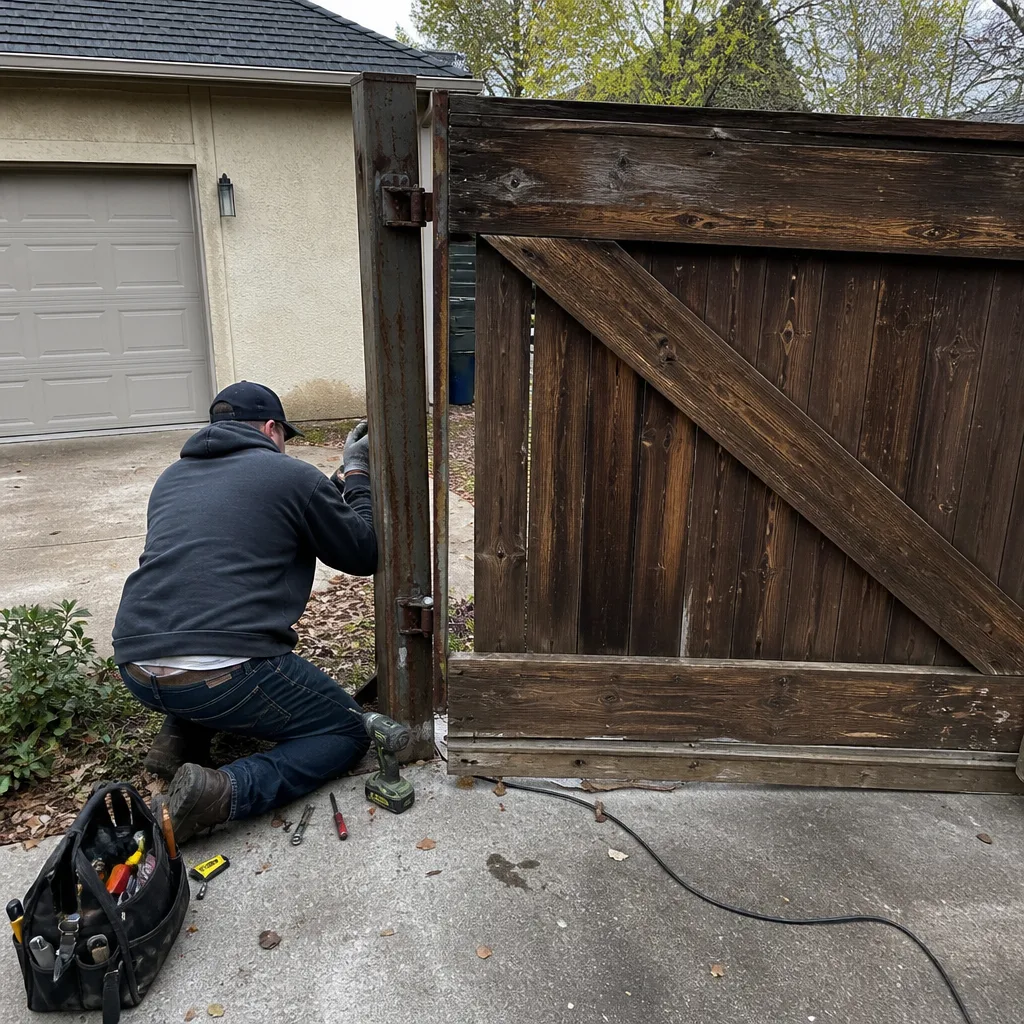 Before
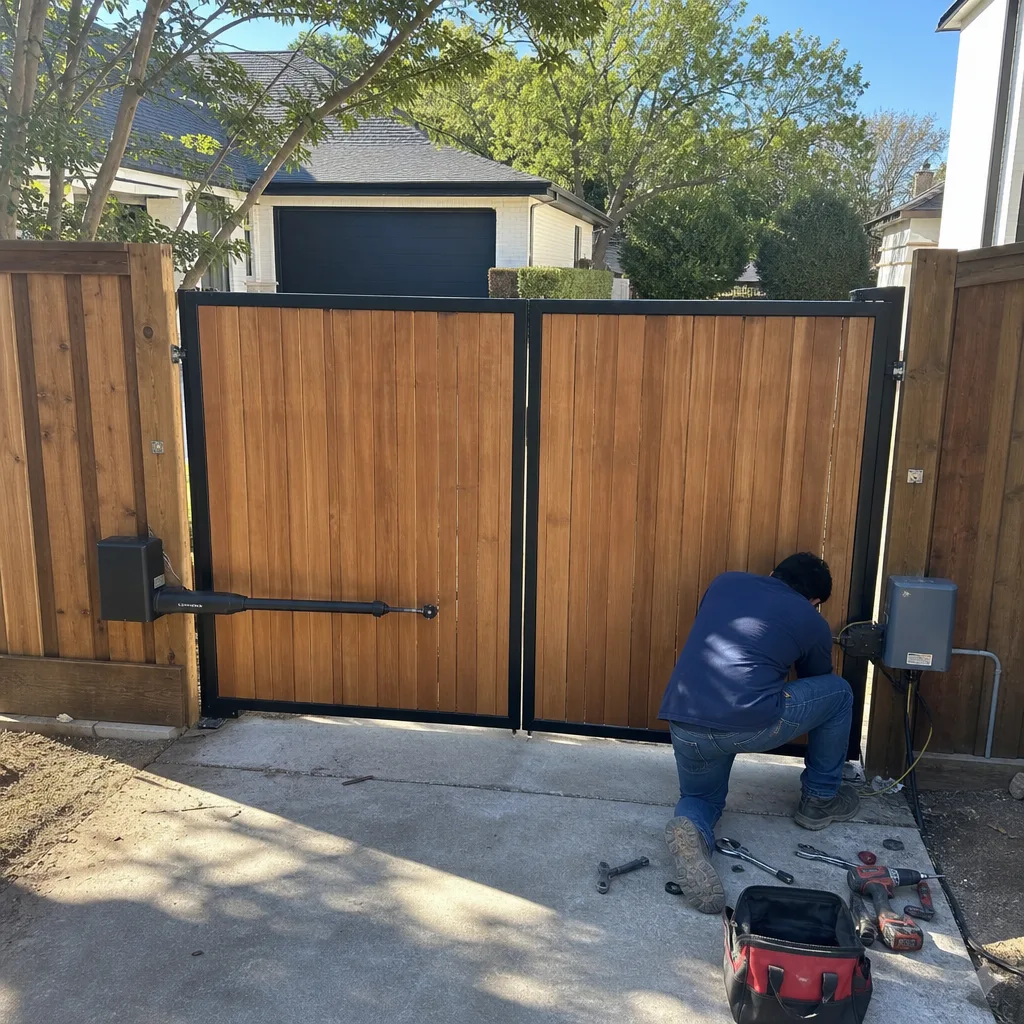 After
After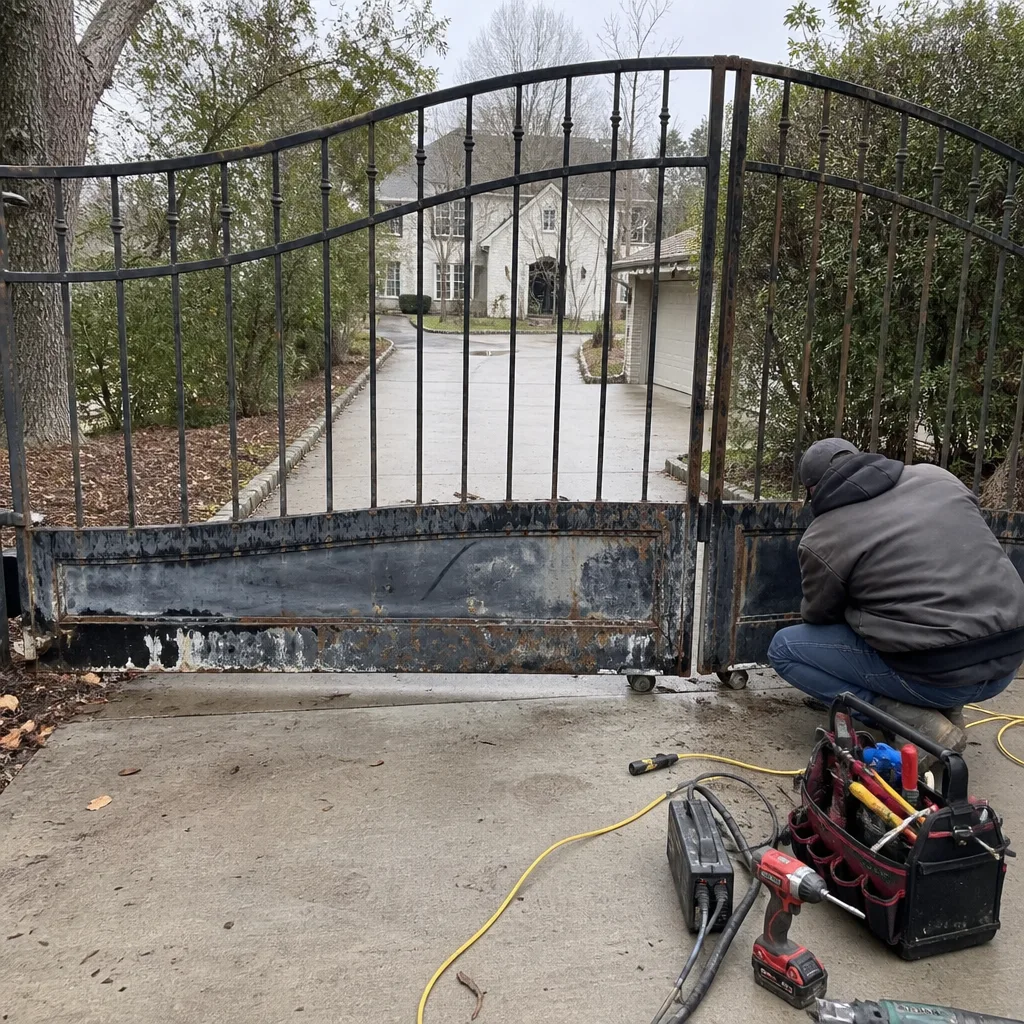 Before
 After
After Before
 After
After