
Last updated October 16, 2026
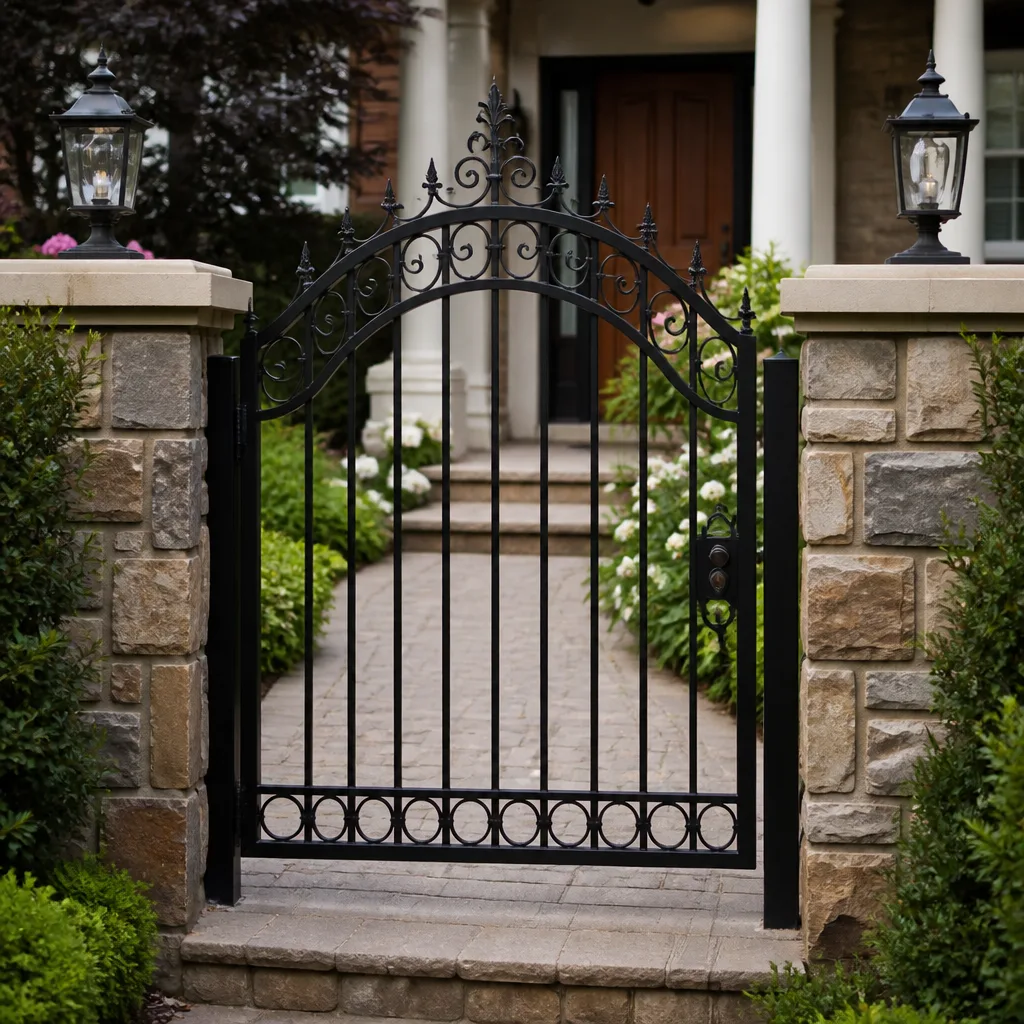 Wrought iron
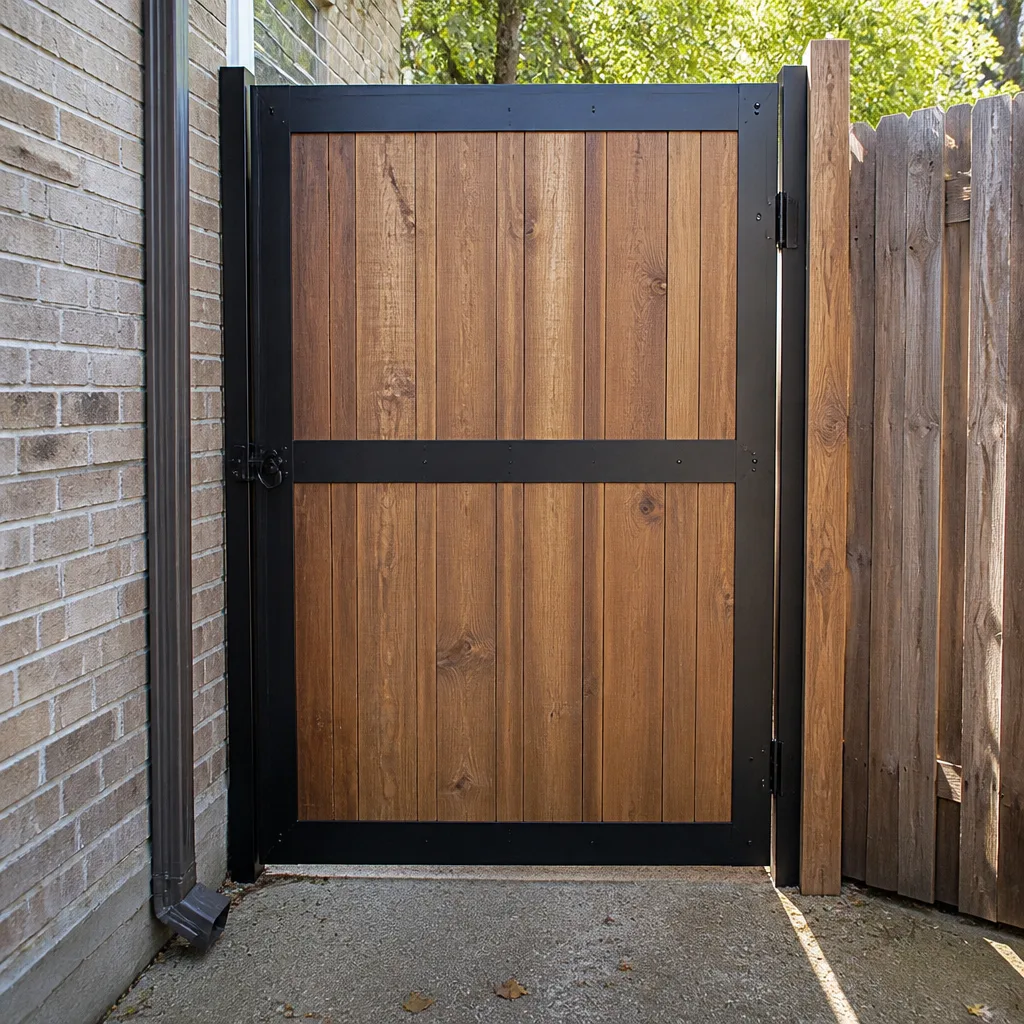 Wood & steel frame
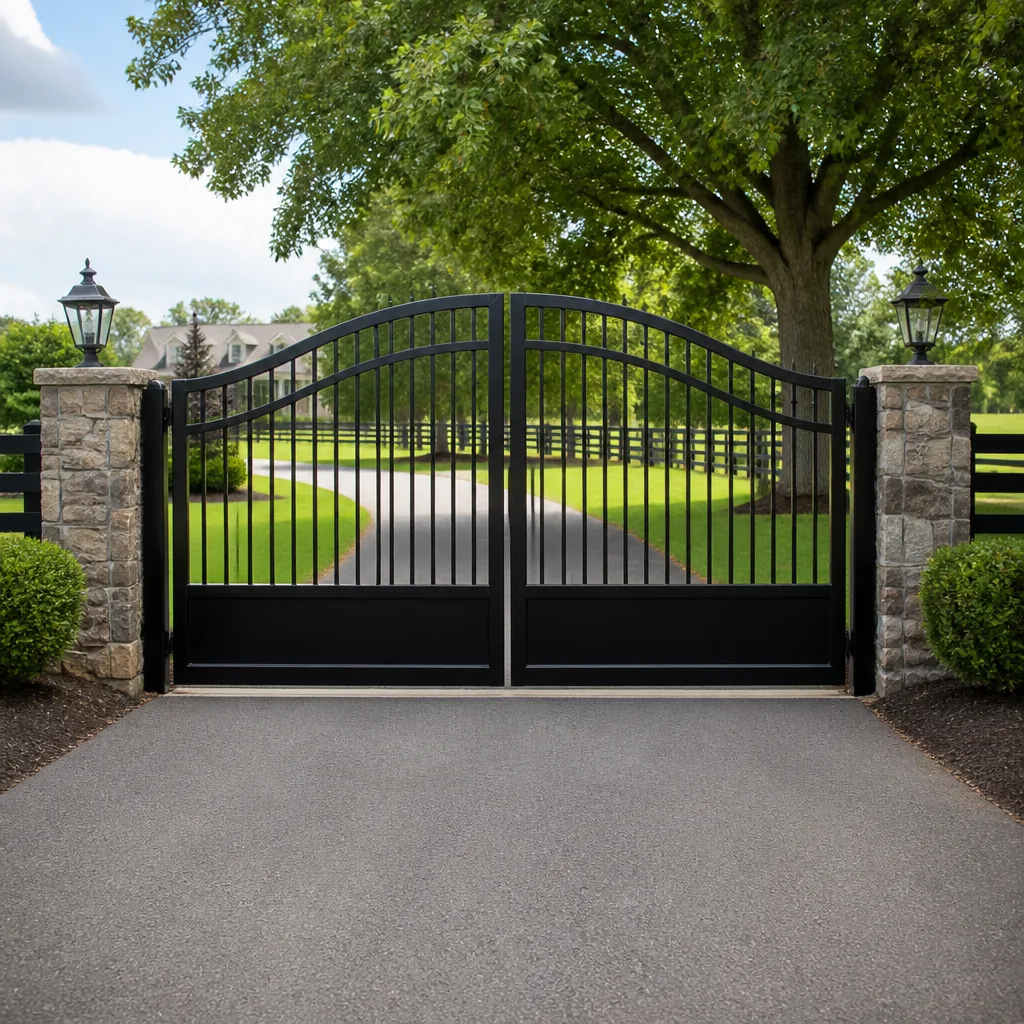 Farm & ranch
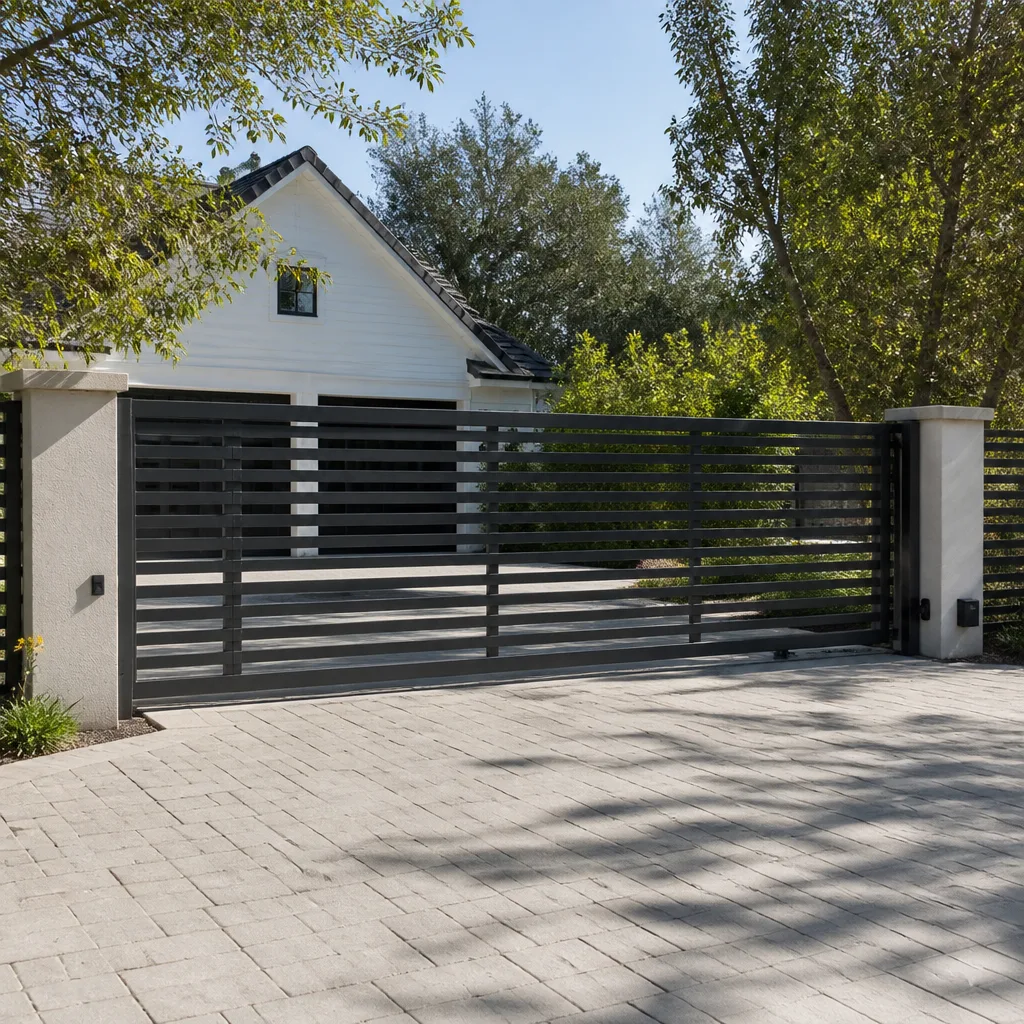 Sliding driveway gates
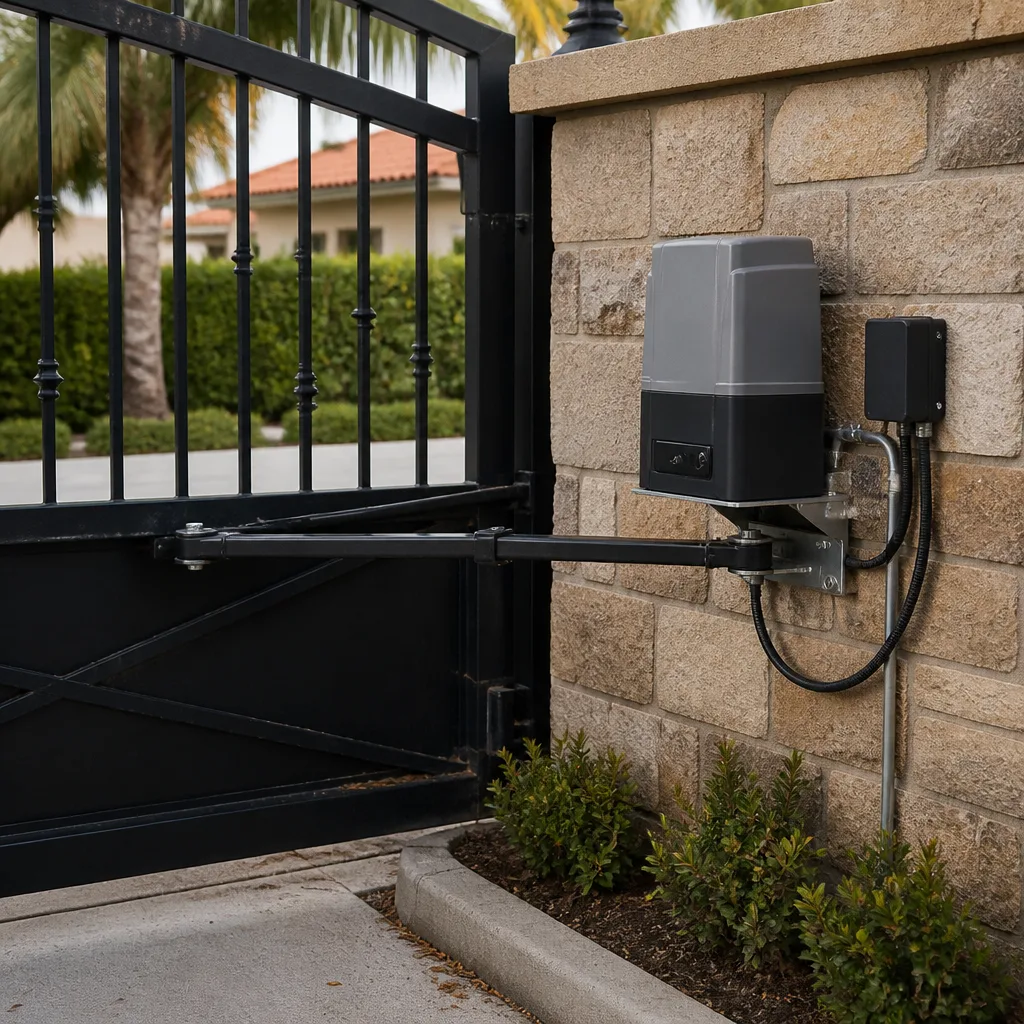 LiftMaster operators
Free on-site gate assessment - hinges, posts, and your LiftMaster or Nice gate operator checked before anything is quoted
The assessment is free and the quote is the invoice.
Get your free estimateGate Repair Permits, Codes & Inspections in TX: What You Need to Know
Most Dallas homeowners assume a permit is only required when you build something new. A new fence, a room addition, a detached garage. But an automated gate sits in a strange middle ground. It’s a structure, but it’s also an electrical device. And under the Dallas Development Code, replacing a gate motor on an existing automated gate can trigger an electrical permit requirement that almost no contractor mentions until after something goes wrong. This guide walks through exactly when Dallas code requires a permit, what the inspector checks, what your HOA can demand on top of city requirements, and how to confirm the permit was actually pulled before you write the final check. For related reading, see our Gate Repair Warning Signs: A Dallas Homeowner’s Reference Guide.
Styles & brands we work with
Quick Answer
Most basic gate repairs in Dallas (hinges, wheels, limit switch adjustments, replacing a picket) do not require a permit. However, structural alterations to the gate frame or posts, installing a new gate on a new post footing, and any electrical work on a 120-volt gate motor circuit generally do require a permit under the Dallas Development Code, and that permit must be pulled by a licensed contractor or the homeowner acting as their own contractor. Gate motor work connected to 120V power without a permit can void your homeowner’s insurance coverage if the gate later causes an injury.
Table of Contents
- Maintenance vs. Alteration: Where Dallas Draws the Permit Line
- When a Gate Motor Repair Triggers an Electrical Permit in Texas
- Who Is Legally Authorized to Pull a Gate Permit in Dallas
- What the Dallas Inspector Actually Checks: Gate Installation and Electrical Inspections
- The HOA Overlay: Deed Restrictions Above City Code in Dallas
- How to Verify Your Contractor’s Permit Before Work Begins
- Unpermitted Gate Work and Your Homeowner’s Insurance: What a Denied Claim Looks Like
- Common Mistakes to Avoid
- When to Call a Professional
- Frequently Asked Questions
- The Bottom Line
Maintenance vs. Alteration: Where Dallas Draws the Permit Line
The Dallas Development Code distinguishes between ordinary maintenance and an alteration that changes the structure or the electrical system. The distinction controls whether you need a permit at all. Maintenance means replacing a worn part with an equivalent part in the same location. An alteration means changing the dimensions, materials, load path, or electrical characteristics of what was there before. A gate repair that replaces a bent hinge with the same size hinge is maintenance. A gate replacement that widens the opening or adds a new steel frame to an existing driveway is an alteration.
Here is the practical breakdown for common gate work in Dallas:
- Replacing a wheel, hinge, or latch with the same part: no permit. This is maintenance by code definition.
- Adjusting a limit switch or photo eye sensor on an existing motor: no permit. No structural or electrical change is being made.
- Replacing a bent gate panel with a new panel of the same dimensions: no permit, provided the posts and footings are not altered.
- Installing new gate posts with new concrete footings: permit required. The Dallas Development Code treats new footings as new construction, not maintenance.
- Rebuilding an existing gate frame with larger steel section or changing the swing direction: permit required. This changes the load on the posts and operators.
- Installing a gate where no gate existed before: permit required. New gate installation in Dallas falls under the city’s building permit requirements regardless of the gate’s size.
The practical rule we tell our customers in Dallas is this: if the work is invisible to the eye when it’s done, like a replaced part or an adjusted sensor, it’s maintenance. If the work changes what’s standing, where it stands, or how it’s powered, it’s an alteration. A quality contractor will tell you which is which before the work starts, not after the inspector asks.
When a Gate Motor Repair Triggers an Electrical Permit in Texas
Gate motor work is the area where most Dallas homeowners get caught off guard. It’s easy to think of a gate motor as a bolt-on accessory, like a garage door opener. It is not. Most automatic gate operators in Dallas residential properties run on 120V alternating current pulled from a dedicated circuit. That circuit is part of your home’s electrical system, governed by the National Electrical Code as adopted by the City of Dallas. Under those rules, installing a new motor circuit, relocating an existing circuit, or replacing a motor that requires rewiring the branch circuit is electrical work that requires an electrical permit.
The Texas Department of Licensing and Regulation (TDLR) requires anyone performing electrical work in the state to hold the appropriate electrical contractor license. The electrical permit itself is issued by the City of Dallas, but the person doing the work carries the license. There is no exception for gate motors. A handyman who is not a TDLR-licensed electrical contractor legally cannot run new 120V power to a gate operator or replace the circuit that feeds one.
Here is the line in practice:
- Replacing a motor by unplugging the old one and plugging in an identical replacement on the same circuit: generally no electrical permit, because no circuit work is being done.
- Replacing a BFT or Viking motor that requires any change to the conduit, the disconnect box, or the circuit breaker: electrical permit required.
- Installing a new gate motor on a property where no gate motor existed: electrical permit required for the new circuit.
- Adding a loop detector, safety edge, or keypad that connects to a 120V source rather than low-voltage wiring: electrical permit may be required depending on the wiring method.
- Converting a gate from a direct burial cable to conduit because the cable was damaged: electrical permit required. This is a circuit alteration.
We have seen Dallas homeowners take delivery of a new Linear or Ghost Controls swing operator from an online retailer, hire a general handyman for the installation, and then discover during a claim or a resale inspection that the electrical work was never permitted. The motor works fine. The paperwork doesn’t. And that discrepancy surfaces at the worst possible time.
Who Is Legally Authorized to Pull a Gate Permit in Dallas
In Dallas, there are two legal paths for pulling a permit on residential gate work. The first is to hire a Texas-licensed contractor who holds the appropriate trade license for the work being performed. For help choosing one, read our How to Hire a Gate Repair Contractor in Dallas: A Step-by-Step Guide. The second is for the homeowner to act as their own contractor, which is permitted under Texas law but carries heavy legal exposure.
Here is the breakdown:
- A licensed electrical contractor: For any gate work involving a 120V circuit, the person or company performing the work must hold a TDLR electrical contractor license. They pull the electrical permit from the City of Dallas. Their license number goes on the permit. They are accountable to TDLR for code compliance, and you as the homeowner have a state agency to file against if the work is defective.
- A registered general contractor: For structural gate work, new posts, new footings, a registered contractor can pull the building permit. In Dallas, contractors doing structural work on residential properties must be registered with the city. Ask for the registration number before signing anything.
- The homeowner as their own contractor: Texas law allows a homeowner to act as their own contractor on their primary residence. You can pull the permit yourself. But here is what that means. You accept full legal liability for code compliance. You accept responsibility for hiring only licensed tradespeople on any portion requiring a trade license. And under Texas law, you are treated as the general contractor for the job in any future dispute. Most homeowners do not want that burden.
The common failure in Dallas is the contractor who tells the homeowner to pull the permit themselves because it’s cheaper or faster. That is not a convenience. That is the contractor shifting legal liability onto you. A real gate contractor who does electrical work will carry the TDLR license in their own name and pull the electrical permit under that license. If they will not, you have to ask why.
What the Dallas Inspector Actually Checks: Gate Installation and Electrical Inspections
Dallas building and electrical inspectors are looking for specific things. Knowing what they check will help you understand which contractors produce work that passes and which are gambling that the inspector never gets called.
For gate installation and structural work, a Dallas building inspector will typically check:
- Footing depth and dimensions: Gate posts under cyclic load from an operating motor need a footing that matches the plan. In Dallas County’s expansive clay soils, undersized footings are the single most common reason a gate starts leaning within two years.
- Post plumb and gate alignment: The inspector verifies the gate hangs square and the posts are set plumb. A gate that drags or binds is a code concern, not just a cosmetic one.
- Clearance from the street and from the property line: Dallas has setback rules for gates installed near the public right-of-way, especially on corner lots. The gate must open without swinging over a sidewalk or into the street.
- Hinge and latch hardware: The inspector verifies the gate is hung on hardware rated for the panel weight and wind load. This matters in Dallas because a North Texas thunderstorm can push a large gate panel hard enough to bend under-spec hinges.
For electrical gate motor work, a Dallas electrical inspector will check:
- Proper circuit protection: The gate motor circuit must be on a breaker sized for the motor’s nameplate amperage and connected through a disconnect that is accessible and marked.
- Conduit and wiring method: Dallas follows the National Electrical Code. Direct burial cable must be rated for it and buried at the proper depth. Conduit must be sized and secured correctly.
- Grounding and bonding: The metal gate frame and the motor enclosure must be grounded. This is the detail that fails most often on handyman installations.
- UL-listed equipment: The motor, the limit switches, and the safety devices must carry a UL listing. Off-brand imported operators without UL marks can fail inspection even if they work.
- Safety reversing devices: Dallas code requires that automatically operated gates have safety reversing systems that prevent entrapment. The inspector verifies that the photo eye or edge sensor is installed and functional.
The most common failure point in our experience on residential gate motor inspections in Dallas is missing grounds and incorrectly sized breakers. These are not exotic failures. They are the ordinary failures of someone doing electrical work without a license and without reading the code book.
The HOA Overlay: Deed Restrictions Above City Code in Dallas
City permits are one layer. In many Dallas suburban communities, the HOA is a second layer that sits on top of the city code and can be harder to satisfy than the Dallas inspector. North Dallas neighborhoods like Lake Highlands, Preston Hollow, and Bluffview have deed restrictions that run with the property. Those restrictions often regulate gate appearance, gate height, gate materials, automation equipment, and even the timing of construction work.
Here is the uncomfortable part. If you get a city permit and your HOA denies the gate design, the city permit does not override the HOA. It works the other way. The HOA approval does not satisfy the city permit requirement either. Both approvals have to happen, and the stricter of the two controls.
Common HOA requirements for gate work in Dallas-area communities include:
- Architectural control committee approval: The HOA must sign off on the gate design, color, and materials before installation begins. In some neighborhoods, this applies even to replacing an existing gate with a similar one.
- Gate height restrictions: Many HOAs cap residential gate heights lower than the city allows. A seven-foot privacy gate might pass Dallas code but fail in a neighborhood where the deed restriction limits gates to six feet.
- Automation equipment restrictions: Some HOAs prohibit certain motor types, like above-ground articulating arm operators, on aesthetic grounds. You may be limited to in-ground operators or specific brands that fit the community’s design standards.
- Work hours and fencing requirements during construction: HOAs commonly restrict gate installation work to specific hours and require the work area to be secured during the project.
The sequence that works in Dallas is: check the HOA rules first, get the HOA approval, then pull the city permit, then start work. Doing it in the other order can leave you with an installed gate that the HOA rejects and the city has already approved. You then get to choose between removing the gate or fighting the HOA.
How to Verify Your Contractor’s Permit Before Work Begins
Dallas makes permit lookup public, but most homeowners never use it. Before you sign a contract or hand over a deposit, you can verify that the permit exists, that it names your address, and that the contractor pulling it is licensed for the work described.
Here is the step-by-step process for Dallas residents:
- Ask the contractor for the permit number before work starts. A licensed contractor who has pulled the permit will have the number. If the contractor cannot produce a permit number, the permit has not been pulled.
- Go to the City of Dallas Building Inspection Division permit lookup. The city maintains an online portal where you can search permits by address. Use your street address, not the contractor’s name.
- Search for your property address. If a permit was pulled for your address, it will appear with the permit number, issue date, type of permit, and the contractor’s name.
- Match the permit type to the work being done. A building permit for gate installation should include the footings and structural work. An electrical permit should cover the motor circuit. If the permit type does not match the work, ask why.
- Verify the contractor’s license against TDLR records for electrical work. On the Texas Department of Licensing and Regulation website, search the contractor’s name or license number. Confirm the license is active and matches the company doing the work.
- Do not pay the final invoice until the inspection has passed. Pulling a permit is not enough. The inspection must be scheduled, performed, and passed. Ask the contractor to show you the signed inspection report before you release the final payment.
This process takes ten minutes. The reason most homeowners skip it is that the contractor never mentioned it and everything looked above board. But a contractor who cannot show you a permit number before work starts has already told you something important about how the job will go.
Unpermitted Gate Work and Your Homeowner’s Insurance: What a Denied Claim Looks Like
Here is the scenario most Dallas homeowners never hear from a contractor. If a gate motor is installed or replaced on a 120V circuit by an unlicensed person without an electrical permit, and the gate later causes an injury, the homeowner’s insurance carrier has a legal basis to deny the liability claim. Texas insurance policies usually contain exclusions for unpermitted work and for work performed by unlicensed contractors. The carrier does not have to prove the unpermitted work caused the injury. The existence of the unpermitted work is often enough to trigger the exclusion.
This is not a hypothetical. Gate injuries are not common, but they are not rare either. A gate that closes on a child who does not trigger the photo eye. A gate that falls off a failed hinge and lands on a vehicle or a person. A motor circuit that shorts and causes a fire. When any of that happens, the homeowner’s insurance carrier will investigate the gate installation before paying a claim. That investigation will include a permit search on the property address. If no permit exists for electrical work that required one, the claim gets denied and the homeowner eats the liability personally.
Even if no one is ever injured, unpermitted work surfaces in other ways. A home inspection before a sale in Dallas will flag unpermitted electrical work, and the buyer’s lender may require retroactive permits before approving the loan. A city code enforcement complaint from a neighbor over a gate extending too far into the setback can trigger a permit review. The risk does not disappear just because years pass.
The inexpensive insurance against all of this is to require a licensed contractor who pulls the permit and puts it in writing. The permit fee in Dallas is not the expensive part of gate work. The expensive part is discovering after the fact that the work was never permitted and now has to be redone or remediated.
Common Mistakes to Avoid
- Assuming all gate work is maintenance. Replacing the motor on a Viking or Ghost Controls swing operator that requires a new circuit is electrical work, not maintenance. The homeowner who skips the permit because the gate already existed now owns an unpermitted electrical installation.
- Letting the contractor “save you money” by pulling the permit in your name. When the permit is in your name, so is the liability. The contractor walks away from code violations and the homeowner is left to defend an installation they did not perform.
- Paying the final invoice before the permit inspection passes. The final payment is your only leverage after the work is done. Hold it until the inspector signs off. A contractor who wants to be paid before the inspection may already know the inspection is going to fail.
- Skipping the HOA approval process. City code and HOA deed restrictions are separate obligations. Satisfying one does not satisfy the other. In Dallas suburbs with active architectural committees, skipping the HOA step can mean removing and reinstalling a gate at your own expense.
- Not verifying the contractor’s TDLR electrical license for motor work. A general contractor can legally manage a gate installation, but the 120V circuit powering the motor must be done by someone with an active TDLR electrical license. Asking to see the license is not rude. It is due diligence.
- Assuming an imported off-brand operator is code compliant. Dallas electrical inspectors require UL-listed equipment. An unbranded import motor may work fine on day one and fail inspection on day thirty. You then pay for the replacement and a second inspection.
- Treating the permit as optional because “everyone does it that way” in Dallas. The fact that a neighbor’s gate was installed without permits does not protect you. It also does not mean their gate is safe or that their insurance would pay a claim. It means they took a risk you should not copy.
When to Call a Professional
Call a licensed gate contractor when the work involves any 120V electrical connection, new footings, new posts, or a full gate replacement. Those are the jobs where Dallas requires a permit, where an inspector will verify code compliance, and where a handyman’s work is most likely to fail. You should also call a professional if your gate motor was installed by someone who cannot show you a permit and you now need it remediated, or if your HOA requires an approved design before work begins. Carver Gate Repair Dallas offers free estimates in Dallas, and every job includes a written price before any work starts. Call (940) 531-9746.
Frequently Asked Questions
If the replacement requires rewiring the 120V circuit, relocating the disconnect, or installing a new circuit, yes, an electrical permit is required under Dallas code. If the replacement is a direct swap of an identical motor on an existing compliant circuit and involves no circuit work, generally no permit is required. Call (940) 531-9746 for a free assessment of your specific setup.
Dallas gate and electrical permit fees vary by the scope of work, but residential electrical and building permits typically run from roughly $50 to a few hundred dollars depending on the project valuation. The permit fee is a small fraction of the total gate project cost and is far cheaper than remediating unpermitted work later.
Yes, Texas law allows a homeowner to act as their own contractor on their primary residence, including pulling their own permit. But doing so makes you legally responsible for code compliance and removes contractor liability from the equation. On gate motor work involving 120V circuits, the electrical portion must still be performed by a TDLR-licensed electrician.
The work remains unpermitted until the city issues a retroactive permit, which typically requires an inspection and possibly corrective work to bring the gate into compliance. Unpermitted electrical work can also exclude related insurance claims and complicate a future home sale. Remediation is usually straightforward but not free.
The permit type depends on the work being done, not the gate style. Both swing and slide gates require a building permit for new footings and structural work, and an electrical permit for new or altered motor circuits. The operator type (articulating arm, in-ground, or slide operator) matters to the code sections the inspector enforces, not to whether a permit is required.
Yes. An HOA’s deed restrictions are a private contractual obligation that runs with the property and operates independently of city code. Your HOA can require design approval, restrict gate materials and heights, and demand documentation before allowing work to proceed, even when the City of Dallas would not require a permit for the same job.
The Bottom Line
Most gate repair work in Dallas does not need a permit. Hinges, wheels, limit switch adjustments, panel replacements on existing posts, all of it passes through as maintenance. But the gate work that does need a permit, new footings, structural alterations, and 120V motor circuit work, is the work where cutting a corner costs the most later. The pattern we see is the same every time. A contractor skips the permit to save a few days. The gate works fine. Years pass. Then a sale, an injury, or a code complaint surfaces the missing paperwork, and the homeowner owns the problem. The solution is not expensive. Verify the license, confirm the permit, hold final payment until the inspection passes. If you are planning gate work in Dallas and want a written price from a licensed contractor who handles the permit end of the job, call Carver Gate Repair Dallas at (940) 531-9746 or visit our Carver Gate Repair Dallas home page. For more on the specific services, see Gate Repair in Dallas, Gate Installation in Dallas, and Gate Motor Repair in Dallas.
Written by Lonnie Burke, Owner at Carver Gate Repair Dallas, serving Dallas since 2008.
See the difference
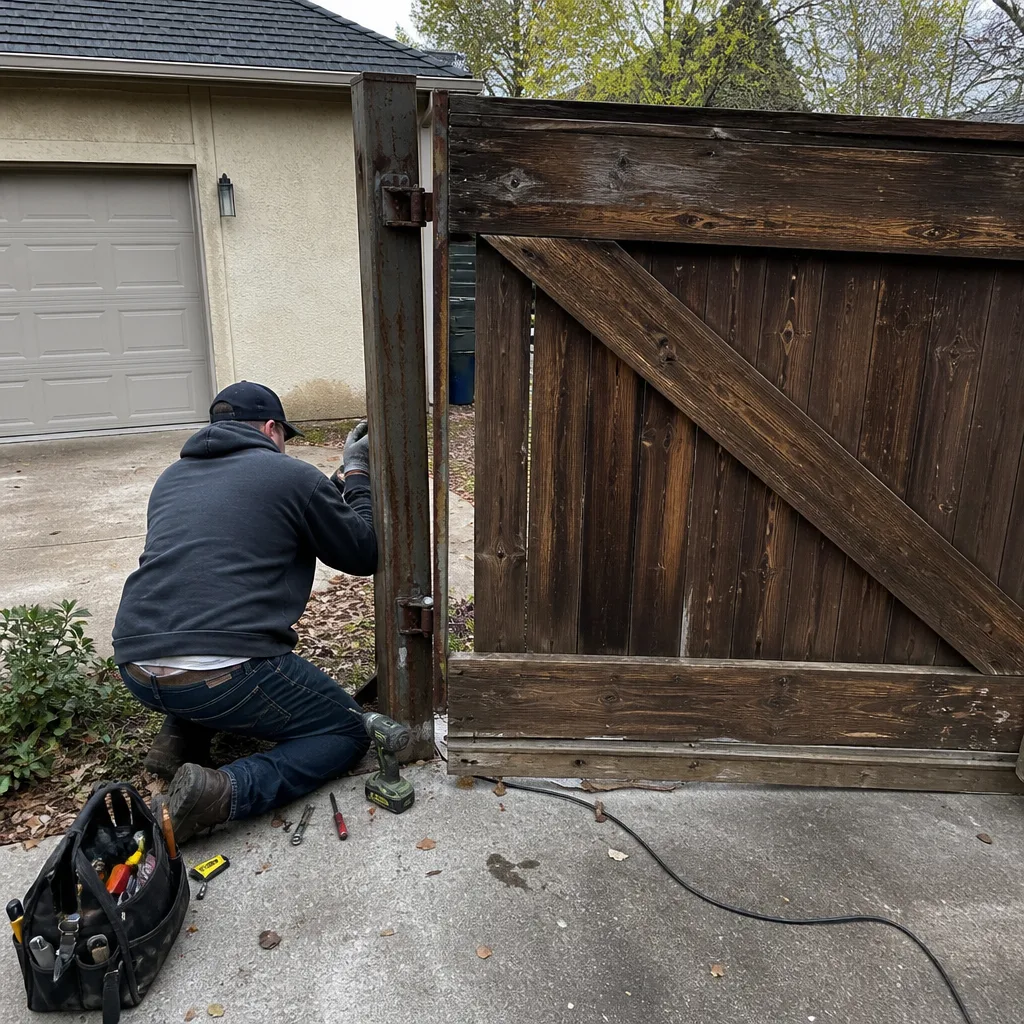 Before
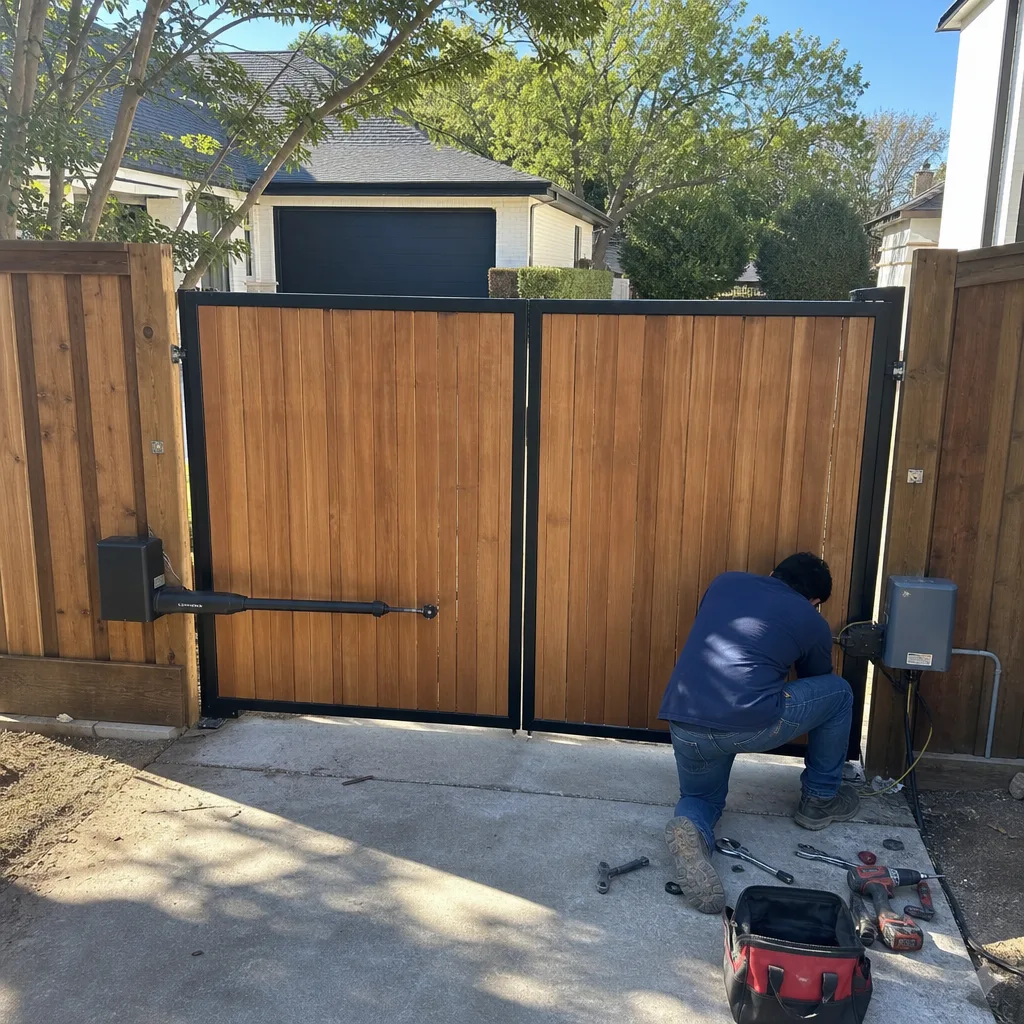 After
After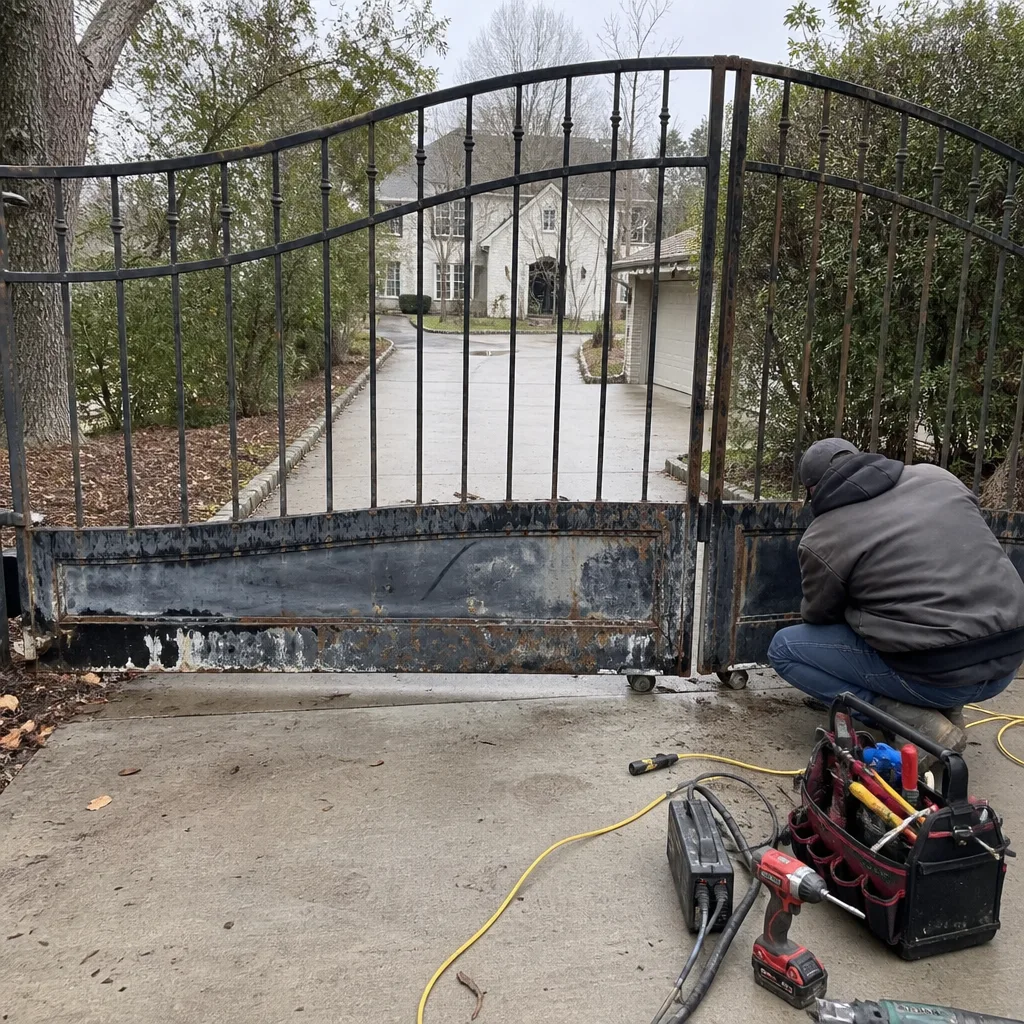 Before
 After
After Before
 After
After