
Last updated October 16, 2026
 Wrought iron
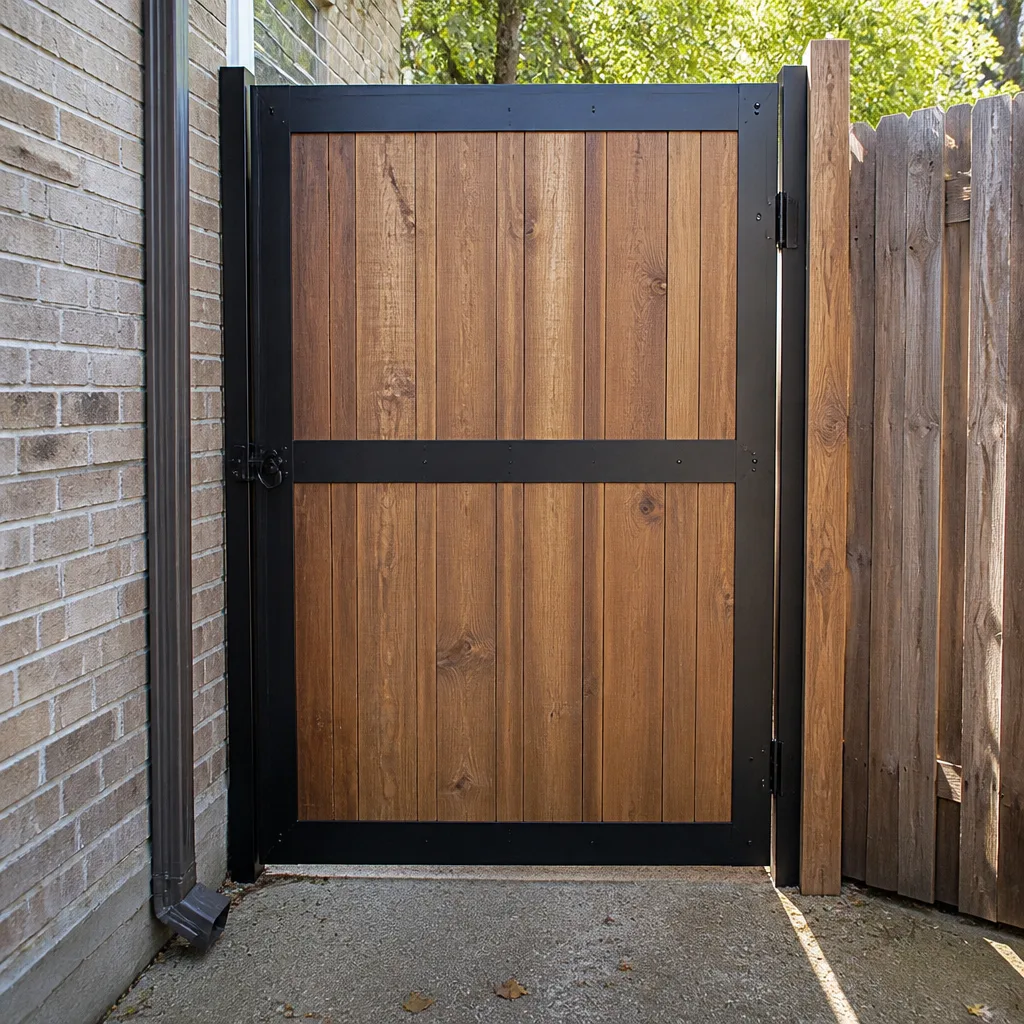 Wood & steel frame
 Farm & ranch
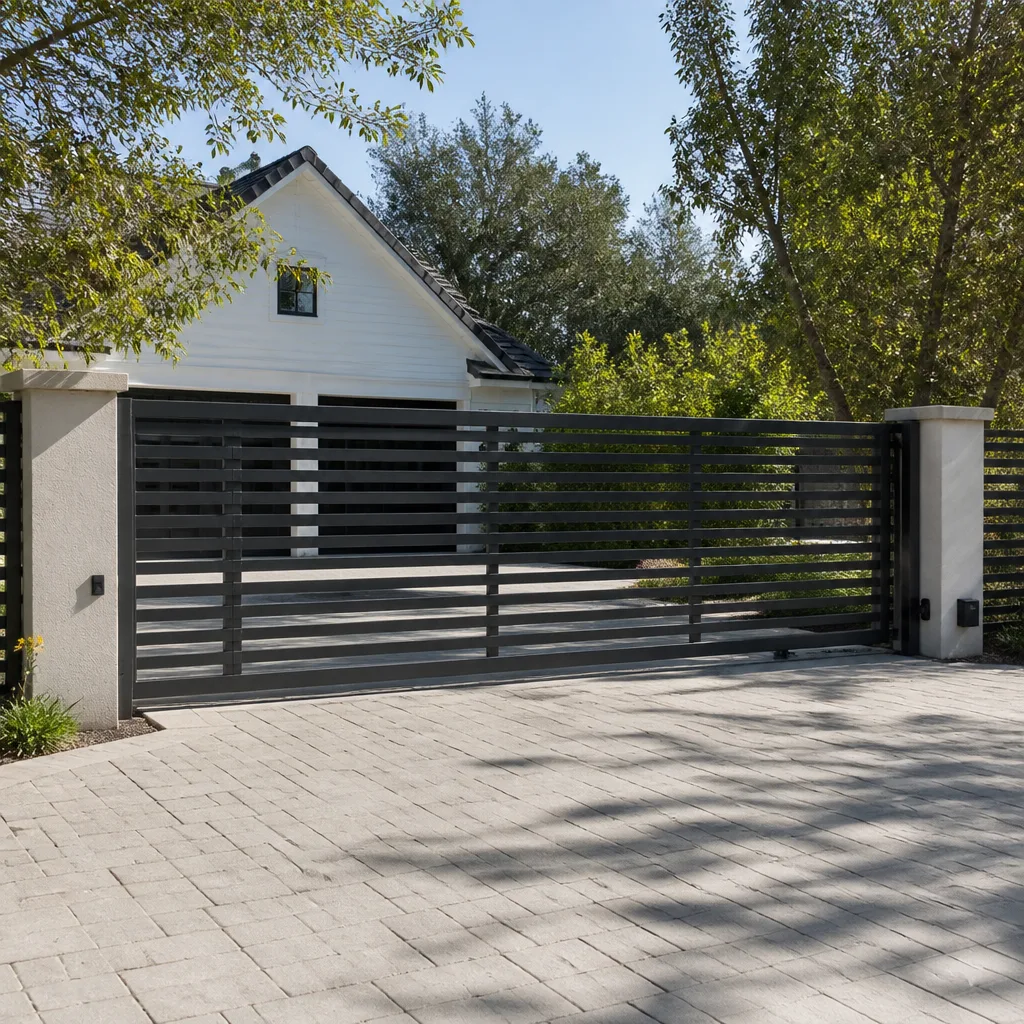 Sliding driveway gates
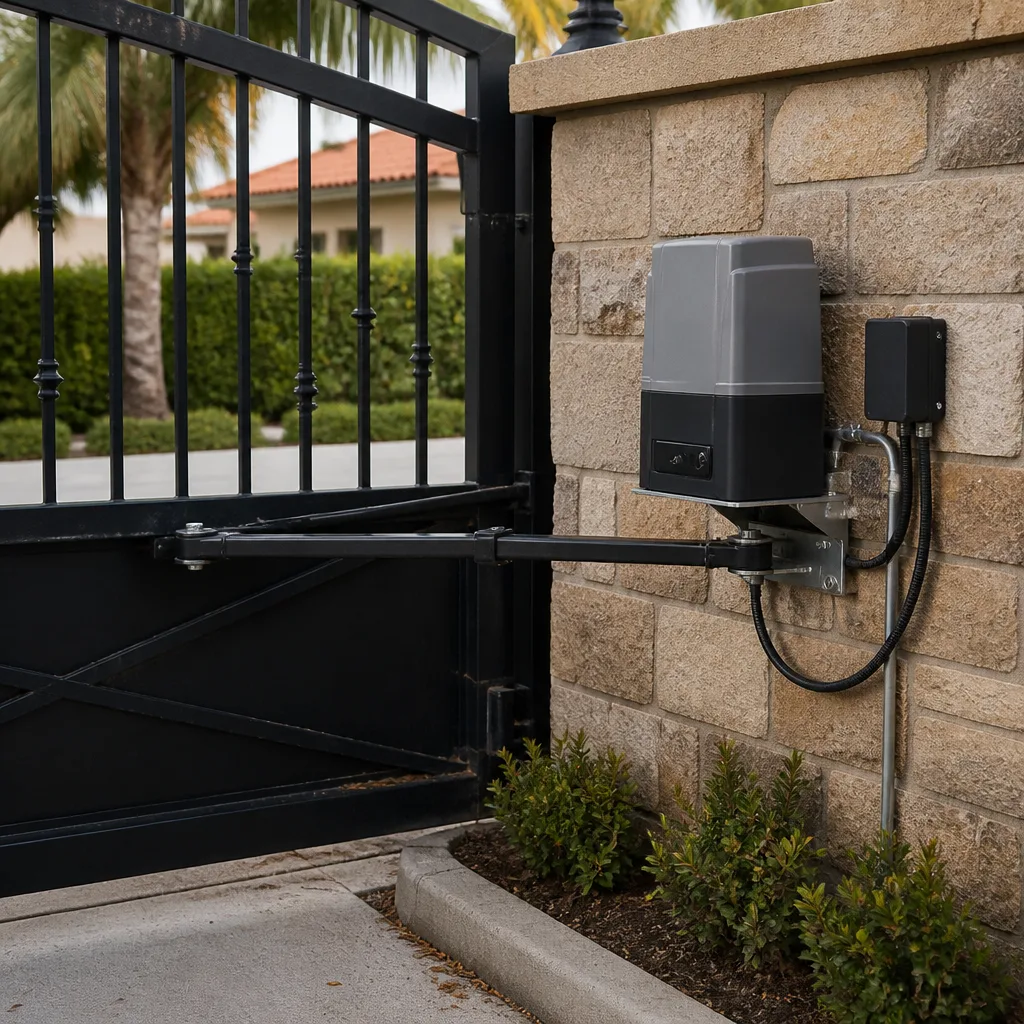 LiftMaster operators
Free on-site gate assessment - hinges, posts, and your LiftMaster or Nice gate operator checked before anything is quoted
The assessment is free and the quote is the invoice.
Get your free estimateGate Repair Maintenance Checklist for Dallas Homeowners
Most gate maintenance checklists are written as if every gate in America faces the same conditions. They don’t. A gate in Phoenix deals with dry heat and sand. A gate in Minneapolis deals with freeze-thaw cycles. Yours deals with something else entirely: Dallas clay. The soil under your gate posts moves more than the gate itself does, and that movement is what kills hinges, binds tracks, and burns out motors. This guide is built for that reality. You’ll learn what to check, when to check it, and what actually matters versus what you can skip. For professional help, see our Gate Repair services.
Styles & brands we work with
Quick Answer
A Dallas homeowner should inspect their gate monthly for soil movement around posts, listen for changes in motor sound quarterly, lubricate specific components twice a year with the correct lubricant type, and adjust limit switches after major temperature swings. The single highest-impact task is a 90-second limit switch verification we explain below, because Texas summer heat changes how far your gate travels and that misalignment is the leading cause of premature motor failure we see in Dallas.
Table of Contents
- The 90-Second Check That Prevents the Most Expensive Motor Failures
- Know Your Gate Before You Touch Anything
- Monthly Checklist: The Fast Pass
- Quarterly Checklist: Ears and Eyes
- Annual Checklist: The Full Workup
- Lubrication: The Right Product for the Right Part
- Dallas Clay and Post Lean: How to Measure It
- Documenting Maintenance for Warranty Claims
- Common Mistakes to Avoid
- When to Call a Professional
- Frequently Asked Questions
- The Bottom Line
The 90-Second Check That Prevents the Most Expensive Motor Failures
Here’s the maintenance task that costs nothing and takes 90 seconds: verify your limit switch settings after every significant temperature swing. In Dallas, summer heat regularly pushes 100 degrees for weeks. Metal expands. Your gate’s open and close travel distance changes by a fraction of an inch. The limit switch, which tells the motor when to stop, was set for a cooler day. Now the motor is pushing against a gate that wants to stop slightly earlier or later. That extra strain, repeated hundreds of times, burns out motors that should have lasted another five years.
The fix is simple. Run the gate through a full open cycle. Watch where it stops. It should land fully open without the motor continuing to strain. Then run a full close cycle. The gate should seat fully without grinding or reversing. If you hear the motor labor for even a second after the gate stops moving, the limit needs adjustment. On LiftMaster and DoorKing units, this is a small dial or screw on the control board. On FAAC and BFT hydraulic operators, it’s typically set at the arm itself. If you’re not sure which type you have, don’t guess. A misadjusted limit switch is cheaper to fix than a burned motor. Our Gate Motor Repair in Dallas page covers what we check when a motor has been running against a bad limit setting.
Know Your Gate Before You Touch Anything
You cannot maintain what you cannot identify. Before opening a single can of lubricant, answer three questions about your gate. The answers determine everything downstream.
- What drive type do you have? Chain drive, worm drive, or hydraulic. Chain drives are the most common on residential slide gates in Dallas and make a distinct clicking/rattling sound. Worm drives are enclosed and quieter, more common on newer installations. Hydraulic operators, like many FAAC and BFT units, use fluid pressure and are the most sensitive to temperature changes because the fluid viscosity shifts with heat and cold.
- How are your hinges mounted? Welded hinges are rigid and transfer vibration directly to the posts. Bolt-mounted hinges flex slightly, which is actually better on Dallas clay because the soil moves and the hinge can absorb some of it. Welded hinges on moving soil eventually crack at the weld.
- What is your gate material? Steel, aluminum, or ornamental iron. Steel is heaviest and stresses everything harder in summer when expansion is greatest. Aluminum is lighter but more prone to hinge pin wear. Ornamental iron rusts at joints if the protective coating has been scratched.
Write these three answers on the first page of your maintenance log. If you ever need to call for service, the technician will ask. Having the answer saves a diagnostic trip and gets the right parts on the truck the first time. You can also find more guides & resources on our blog.
Monthly Checklist: The Fast Pass
This is the ten-minute routine that catches most problems before they become repairs. Do it on the first Saturday of every month while the coffee is still warm. Gates in Dallas don’t need weekly attention. Monthly is the sweet spot for catching problems early without turning maintenance into a part-time job.
Walk the gate line first. Stand at one end and look down the gate’s length. Does it line up evenly with the posts when closed? A gap at the top but not the bottom, or vice versa, means a post is leaning. That’s a soil problem, not a gate problem, and we cover it in the soil movement section below.
Look at the ground under the gate path. For slide gates, check that no gravel, mulch, or grass clippings have accumulated on the track or wheels. In Dallas, spring storms wash debris across driveways constantly. A slide gate pushing through accumulated debris strains the motor the same way a misadjusted limit switch does.
Listen as it opens. Don’t do anything else. Just listen. A smooth hum is fine. Any grinding, clicking that changes rhythm, or a groaning sound at the end of travel means something is off. Note the sound in your log. The change from last month is more diagnostic than the sound itself.
Check the photo eyes and safety edges. Wipe the small lenses clean with a dry cloth. In Dallas, dust and pollen coat these constantly. A dirty photo eye makes the gate reverse when it shouldn’t, which homeowners often misdiagnose as a motor problem.
Quarterly Checklist: Ears and Eyes
Quarterly maintenance is where you catch wear trends before they become failures. This takes about 30 minutes. Do it when the seasons change: March, June, September, December. Dallas weather delivers distinct seasonal shifts, even if winter never gets brutal, and your gate responds to each one.
Inspect all fasteners on a slide gate. Grab each bolt with a wrench and give it a gentle turn. Don’t over-tighten, just confirm it’s snug. Chain drive gates vibrate constantly, and vibration is a bolt loosener. Pay special attention to the chain tension bolts and the wheel mounting bolts. A loose wheel on a slide gate changes the gate’s angle as it travels, which cascades into track wear and motor drag.
Check chain tension on chain drive units. A properly tensioned chain has about half an inch of deflection when you press on it with your thumb. Too loose and the gate jerks on start and stop. Too tight and you’re loading the motor bearings and the sprocket unnecessarily. Chain tension changes with temperature, so checking quarterly catches the seasonal drift before it matters.
Inspect the rack and pinion on worm drive slide gates. The rack is the toothed bar along the bottom of the gate. The pinion is the gear on the motor that drives it. Look for teeth that are wearing thin or showing shiny spots where the metal is being polished away. Apply a thin coat of a dry graphite lubricant to the rack teeth. Never use grease on a rack and pinion. Grease holds Dallas dust and grit, and that grit becomes grinding paste that chews through the teeth faster than running dry would.
Test the manual release mechanism. Every motorized gate has one. It’s the lever or key that disengages the motor so you can slide or swing the gate by hand. Test it quarterly. If you can’t operate it easily now, you won’t be able to operate it in an emergency when the power is out and your car is stuck in the driveway. The release mechanism seizes from disuse. Operating it four times a year keeps it functional.
Annual Checklist: The Full Workup
Once a year, budget 60 to 90 minutes for a full inspection and maintenance pass. Early fall is the best time in Dallas. The worst of the summer heat is behind you, the gate has been through its maximum expansion cycle, and you’re prepping it for the cooler months ahead. This is also when you document everything for warranty purposes, which we cover below.
Apply lubricant to all hinge points. We cover the specifics in the lubrication section, but here’s the timing: once a year, service every hinge pin, pivot bearing, and roller on a swing gate. Use the wrong product and you’ll do more harm than good, so read that section before you start spraying.
Check the gate’s alignment with a level. Put a four-foot level against each gate post. Both directions: side-to-side and front-to-back. Any post that’s off more than a quarter inch per foot of post height needs attention. In Dallas, that’s almost always clay soil movement rather than a bad installation. We cover the measurement protocol in the soil section below.
Inspect the power supply and wiring connections. Kill the breaker to the gate operator first. Confirm it’s dead with a non-contact voltage tester. Then open the control box and look for any wires that are discolored, any connections that are loose, or any signs of ants. Dallas fire ants love gate control boxes because they’re warm and dry. Ant debris and ant bodies inside a control board can short out a system. If you find ants, treat the area around the box while the power is off, then seal any conduit gaps with silicone.
Check all safety devices under load. A photo eye that works when tested but fails under vibration is a lawsuit waiting to happen. Block the beam while the gate is moving and confirm it reverses. Test the safety edge by pressing on it during closing. These tests are part of the annual UL 325 compliance check that any Gate Repair in Dallas professional would perform.
Review and update your maintenance log. This is not busywork. A documented maintenance history is your evidence if a motor fails prematurely and you’re pursuing a warranty claim. Note the date, what you checked, what you lubed, what you tightened, and anything unusual you observed.
Lubrication: The Right Product for the Right Part
The fastest way to accelerate gate wear is to lubricate with the wrong product. Spraying WD-40 on everything is not maintenance. It’s a slow-motion destruction sequence. Here’s what each component actually needs.
Hinge pins and pivot bearings: Use a white lithium grease in a spray can with a straw applicator. The straw lets you direct the lubricant into the pin joint rather than coating the surrounding metal. Apply once annually. More often than that and you’re just creating a sticky surface that holds Dallas dust.
Chain drives: Use a dedicated chain lubricant designed for motorcycle or garage door chains. These products penetrate the link joints and leave a tacky film that resists fling-off. Apply a light coat annually, then wipe off the excess after 30 minutes. Never use heavy grease on a gate chain. It collects grit in the links and grinds the pins from the inside.
Rack and pinion gears on worm drive units: Use a dry graphite spray. Not grease. Not oil. Graphite coats the teeth and creates a slick surface without attracting dust. Apply a thin, even coat once a year. If the teeth are already showing wear, don’t layer more graphite on to compensate. That’s a signal to call us for an assessment before the rack needs full replacement.
Rollers and wheels on slide gates: Most residential slide gate wheels have sealed bearings and need no lubrication. Adding grease doesn’t help and often breaks down the seal. Instead, clean the wheel surfaces with a dry rag and check that each wheel turns freely without wobble. A wheel that binds or wobbles needs replacement, not lube.
Hydraulic operators: Do not lubricate these. The fluid inside the sealed system is engineered for the specific operator, and any attempt to add oil or grease externally does nothing. If a hydraulic operator is running slow or hard, the problem is low fluid, a leak, or internal wear. That’s a gate motor repair call, not a maintenance task.
Dallas Clay and Post Lean: How to Measure It
Dallas sits on expansive clay soil. The technical term is vertisol, but the practical term is trouble. This clay swells when wet and shrinks when dry, and the swing is dramatic enough to shift fence lines, crack foundations, and move gate posts by inches per year. If your gate suddenly won’t close properly, the gate didn’t change. The ground under it did.
The measurement protocol: Place a four-foot level vertically against each gate post. Check it in two directions: parallel to the gate’s travel and perpendicular to it. A post that’s plumb in both directions is fine. A post that’s leaning can often be corrected by adjusting the hinges before it gets worse.
The threshold: If a post is more than a quarter inch out of plumb over four feet, note it in your log and re-check it quarterly. Movement of an eighth inch between checks is stable. Movement of more than that between checks is a trend, and that trend only goes one direction. Call a professional when the post has moved more than a half inch from plumb, or when you can see visible cracking in the concrete footer or surrounding soil pull-away. See Gate Repair Permits, Codes & Inspections in TX: What You Need to Know before starting major work.
The fix that works vs. the fix that fails: Patching the gap between the post and the concrete with quick-set is cosmetic and fails within a season. The real fix for a leaning post on Dallas clay is either re-setting the post with a deeper footer that gets below the active clay zone, or converting bolt-mounted hinges to include adjustable plates that can absorb some movement. We’ve done both in Gate Installation in Dallas projects across the metro, and the deep footer is usually the permanent answer.
The slide gate version of the same problem: For slide gates, soil movement shows up as a track that’s no longer level over its run. Use a string line stretched tight from one end of the track to the other. Any sag or crown over a four-foot section that exceeds a half inch means the soil has moved under that section of track. A slide gate running over a sagging track loads the motor unevenly and wears one side of the rack faster than the other.
Documenting Maintenance for Warranty Claims
Motor manufacturers write warranties that assume proper maintenance. If your gate motor fails at year two of a three-year warranty and you can’t show you maintained the gate, the manufacturer will deny the claim. It’s not personal. It’s policy. Your maintenance log is the evidence that shifts the claim in your favor.
What to record: Date of each inspection. The specific tasks performed. Which lubricants were used and on which components. Any readings that are measurable: post lean in fractions of an inch, chain deflection, gap measurements at the gate’s closed position. Any sounds or behaviors that changed and when you first noticed them.
How to store it: A simple notebook works. A spreadsheet works better because you can sort by date and spot trends. Take photos of anything unusual: a crack in a post, worn teeth on a rack, a sway in the track. Photos are dated by your phone automatically, which makes them admissible evidence in a warranty conversation.
What to document when you hire a pro: If you call a Carver Gate Repair Dallas home technician, ask for the service report in writing. Under The Garrison Standard, we provide a written price before work starts and a written record of what we found and what we did. Keep that record with your own log. If a motor fails within the warranty period and a pro has been servicing the gate, the combination of your log and the pro’s service reports makes a warranty denial much harder for a manufacturer to sustain.
Common Mistakes to Avoid
- Lubricating with WD-40. It’s a solvent, not a lubricant. It strips away existing lubrication and then evaporates, leaving the part drier than before. Use the product-specific lubes in our lubrication section.
- Ignoring a post that’s slightly out of plumb. A quarter inch becomes a half inch becomes a cracked weld. Dallas clay doesn’t stop moving, and neither does the problem. Check it quarterly and act at the half-inch threshold.
- Tightening a loose chain too aggressively. An over-tightened chain loads the motor bearings beyond their design spec and shortens motor life. Half an inch of deflection is the target. Not zero.
- Spraying lubricant on photo eye lenses. Oil on a photo eye attracts Dallas dust and blinds the sensor. Wipe photo eyes dry with a clean cloth. Nothing else.
- Blocking the safety beam to test it while the gate is parked open. Some systems only validate the beam during travel. Test it while the gate is moving, not while it’s sitting still.
- Assuming a reversing gate is a motor problem. The most common cause of unintended reversing in Dallas is a dirty photo eye or an ant colony in the contactor. Check those before you spend money on a motor.
- Using a pressure washer on the gate and operator. Pressure washers force water past seals and into electronics. Use a garden hose with a spray nozzle at most, and never aim it directly at the control box or motor housing.
When to Call a Professional
Some tasks are maintenance. Some are repair. Knowing the difference saves you money. Call a professional when the gate post has moved more than half an inch from plumb, when the motor hums but doesn’t move the gate, when the gate reverses for no reason after you’ve cleaned the photo eyes, when you hear metal-on-metal grinding that wasn’t there last month, or when the gate moves slower than it did a month ago despite clean tracks and proper lubrication. Gates are heavy machines under tension. A swing gate can weigh 800 pounds. A slide gate can weigh more. When something is binding or failing, that weight is looking for somewhere to go. The cost of a service call is less than the cost of a gate falling on a car or a person. Carver Gate Repair Dallas offers free estimates in Dallas. Call (940) 531-9746 and we’ll send a background-checked, uniformed technician who gives you a written price before any work starts, so the number never moves at the door.
Frequently Asked Questions
Monthly for a fast visual and listening check, quarterly for fasteners and chain tension, and annually for full lubrication, alignment measurement, and safety device testing. Dallas clay movement and summer heat expansion make the quarterly soil checks as important as any lubrication task.
Verifying limit switch settings after major temperature swings. It takes 90 seconds and costs nothing. A misadjusted limit switch causes the motor to strain against the gate at the end of every cycle, and that repeated strain is what we most often find in prematurely failed Dallas gate motors. Give us a call at (940) 531-9746 if you’re not comfortable checking it yourself.
A dedicated chain lubricant, not WD-40 and not heavy grease. The right product penetrates the link joints and leaves a tacky film that resists fling-off. Heavy grease holds Dallas dust and accelerates wear. Apply once a year and wipe excess after 30 minutes.
Metal expansion from Dallas summer heat causes the gate’s travel distance to change slightly. The limit switch, which was set in cooler weather, is stopping the gate short. A 90-second limit adjustment usually fixes it. If the problem persists and the gate starts reversing mid-travel, that’s a safety sensor issue, not a limit issue. Call (940) 531-9746 for a free estimate if you need a professional to sort it out.
Measure it with a four-foot level. A post out of plumb by more than a quarter inch over four feet has moved. Track it quarterly. Re-set it (ideally with a deeper footer) once it passes a half inch. The measurement takes two minutes and tells you more than any visual guess.
No, but an undocumented maintenance history makes a warranty claim much harder to win. Keep a simple log of dates, tasks, lubricant types, and measurements. Photos of anything unusual help too. The log is your evidence that the failure wasn’t neglect. That’s why we include written service reports under The Garrison Standard on every repair.
The Bottom Line
Your gate’s maintenance needs in Dallas are driven by three things: the type of drive system it runs, the type of hinges it uses, and the clay soil it sits on. Match the checklist to those variables and maintenance takes ten minutes a month, thirty minutes a quarter, and an hour a year. The highest-leverage task is the 90-second limit switch check after summer heat swells the gate and changes its travel. The most underrated task is measuring post lean quarterly and acting before a half inch becomes a cracked weld. Do those two things consistently, use the right lubricant on the right part, and keep a written log. Watch for early problems using Gate Repair Warning Signs: A Dallas Homeowner’s Reference Guide. You’ll spend less on repairs over the life of the gate than homeowners who wait for something to break first. If you’d rather hand the whole list to someone who does this every day, we’re at (940) 531-9746. Free estimate, written price before work starts, and a written guarantee on every repair for a full year.
Written by Lonnie Burke, Owner at Carver Gate Repair Dallas, serving Dallas since 2008.
See the difference
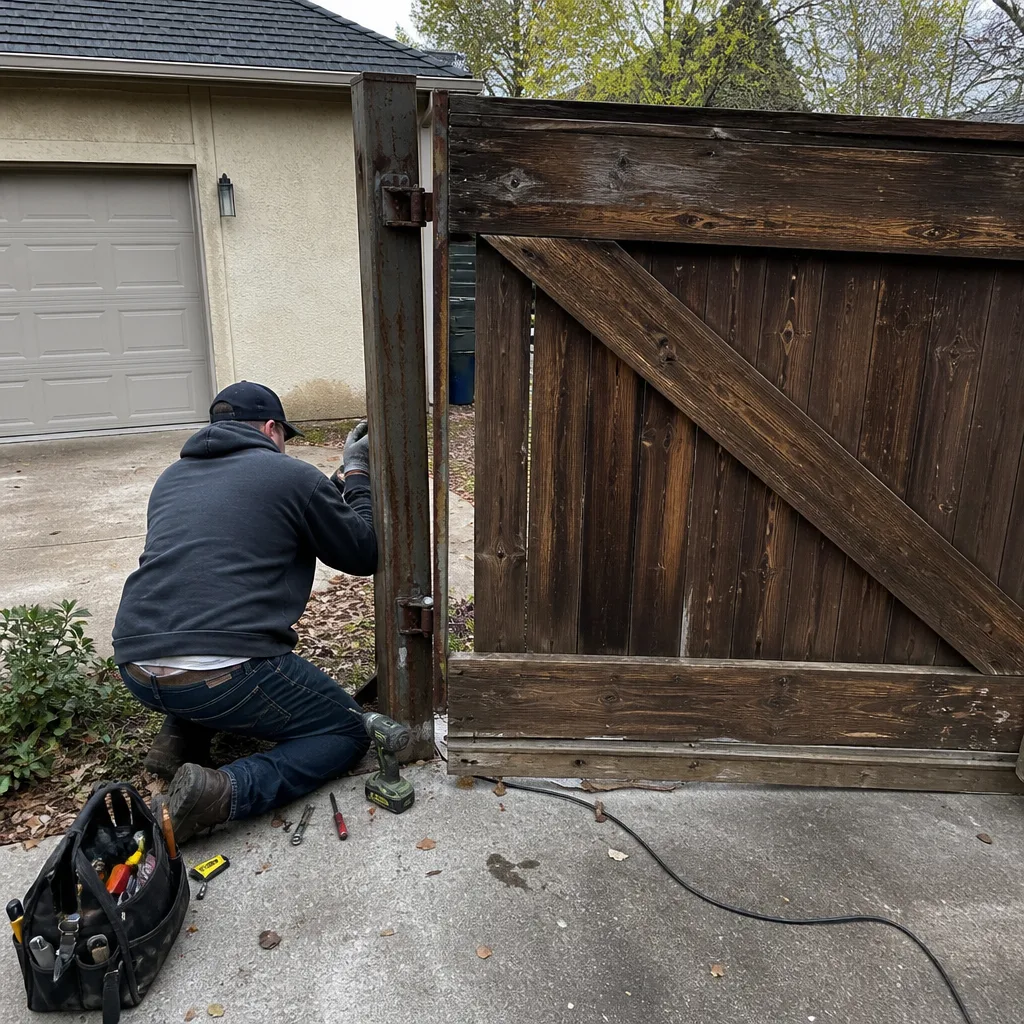 Before
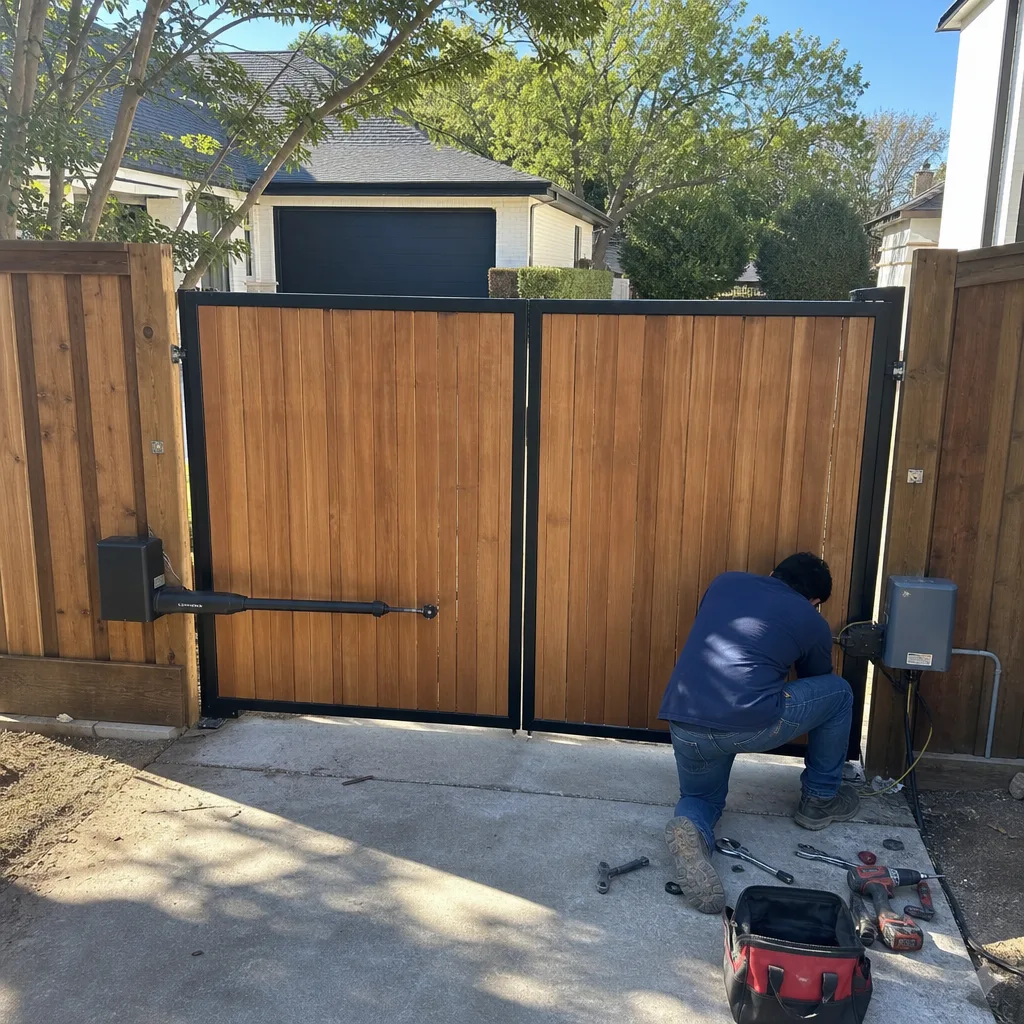 After
After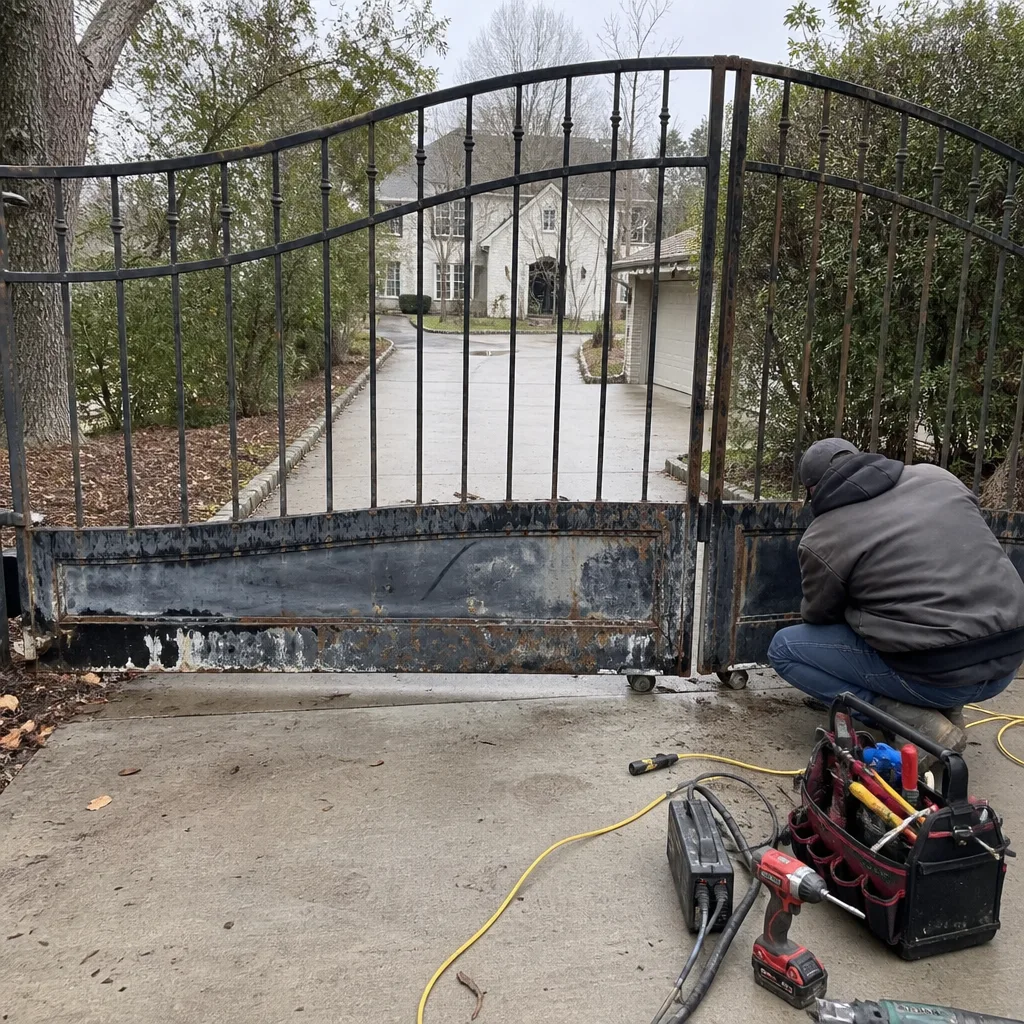 Before
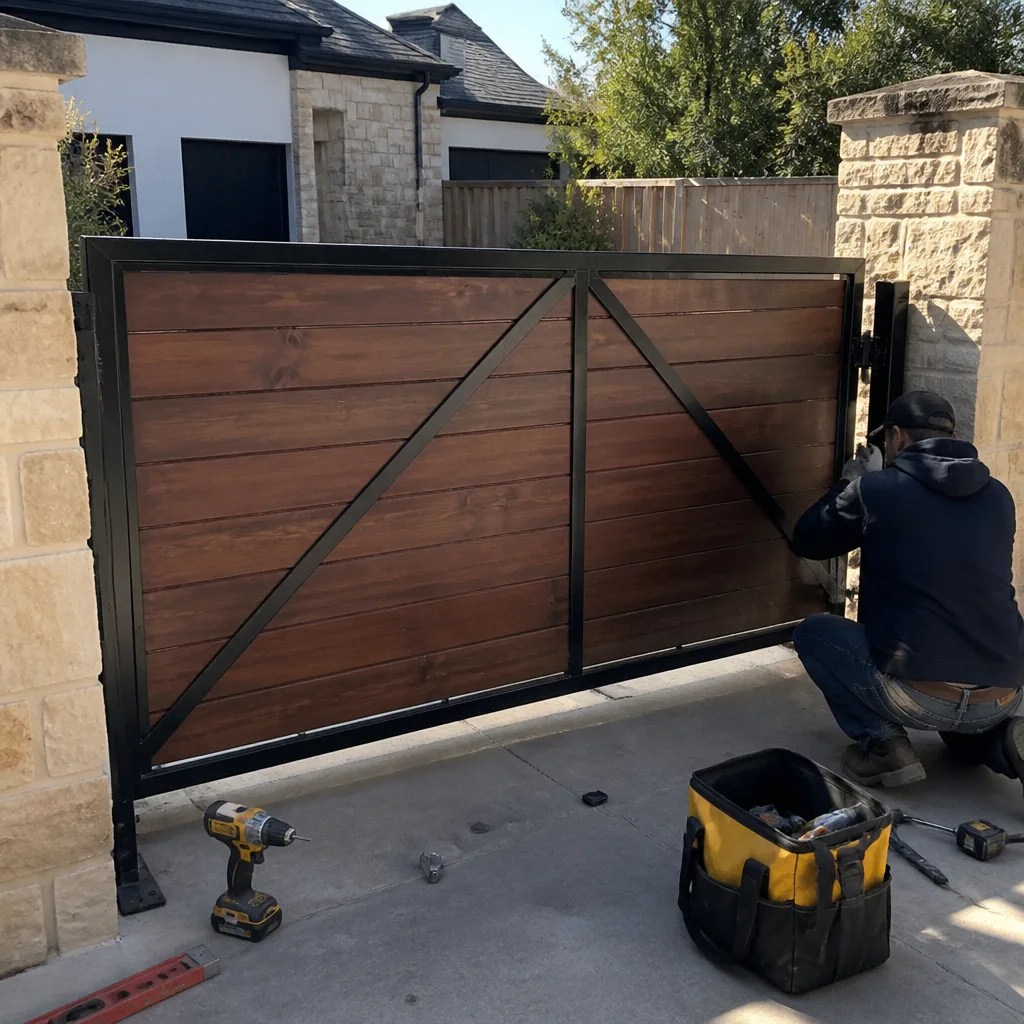 After
After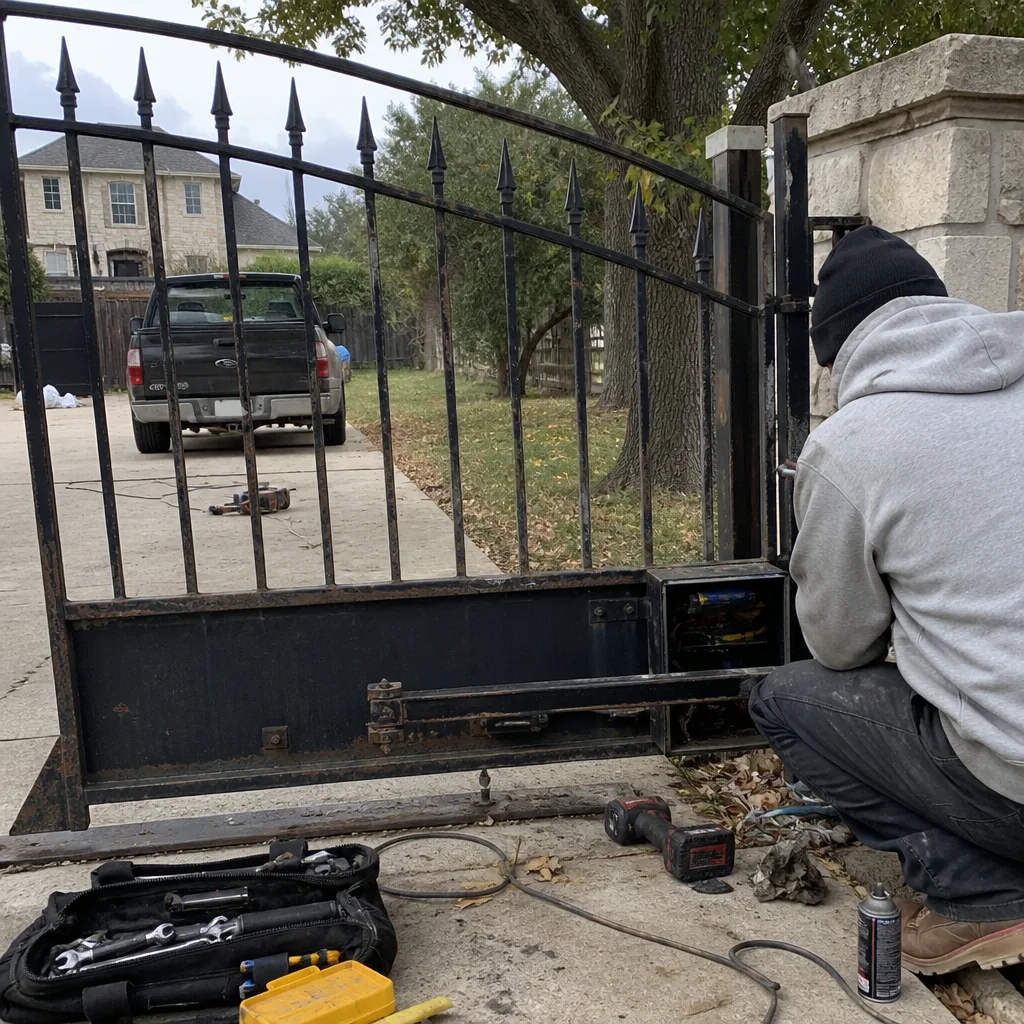 Before
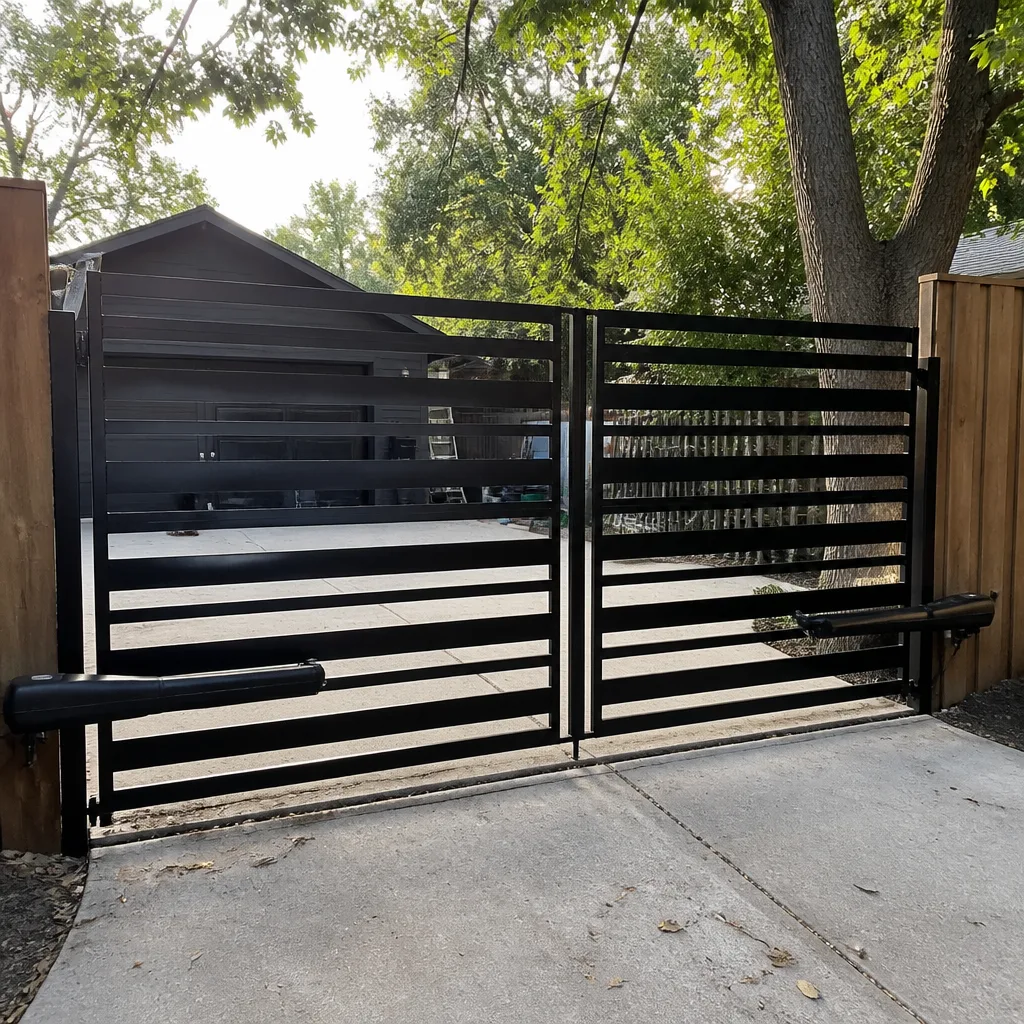 After
After