
Last updated October 16, 2026
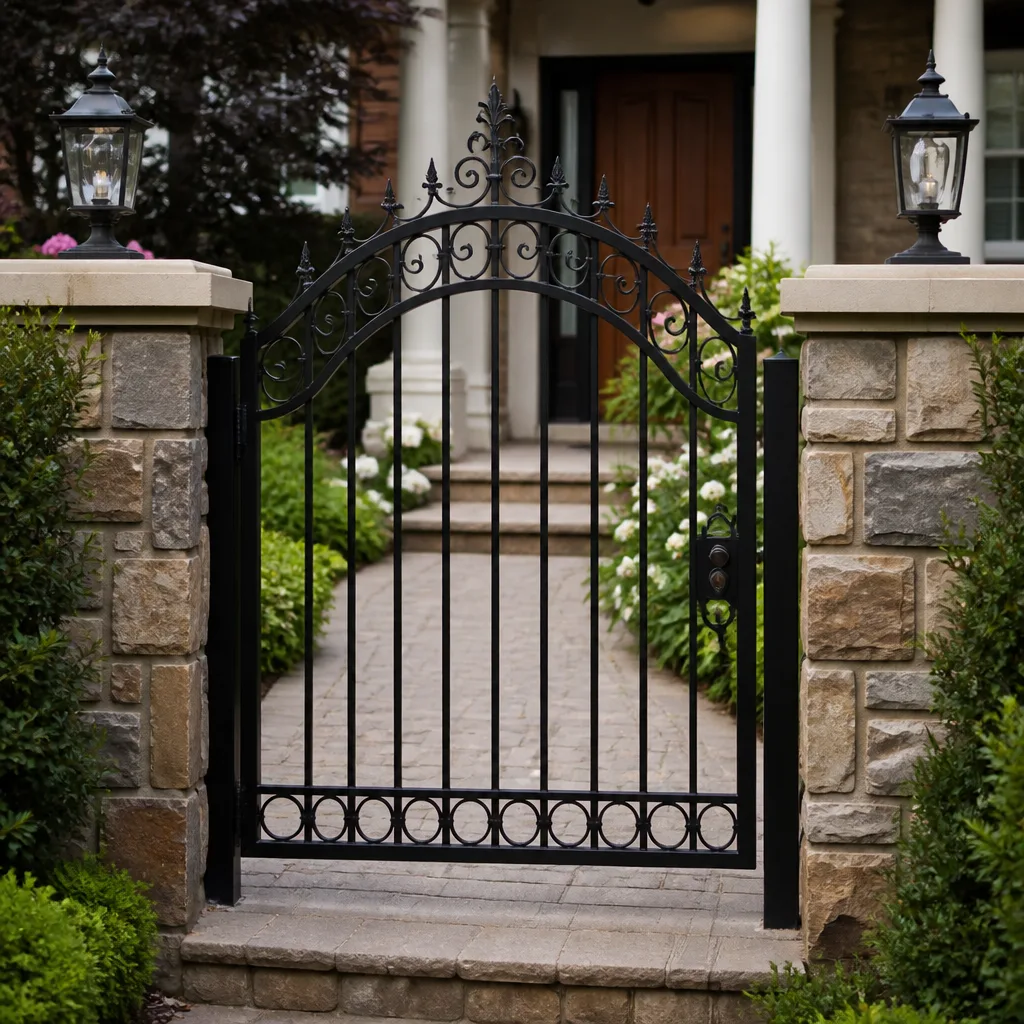 Wrought iron
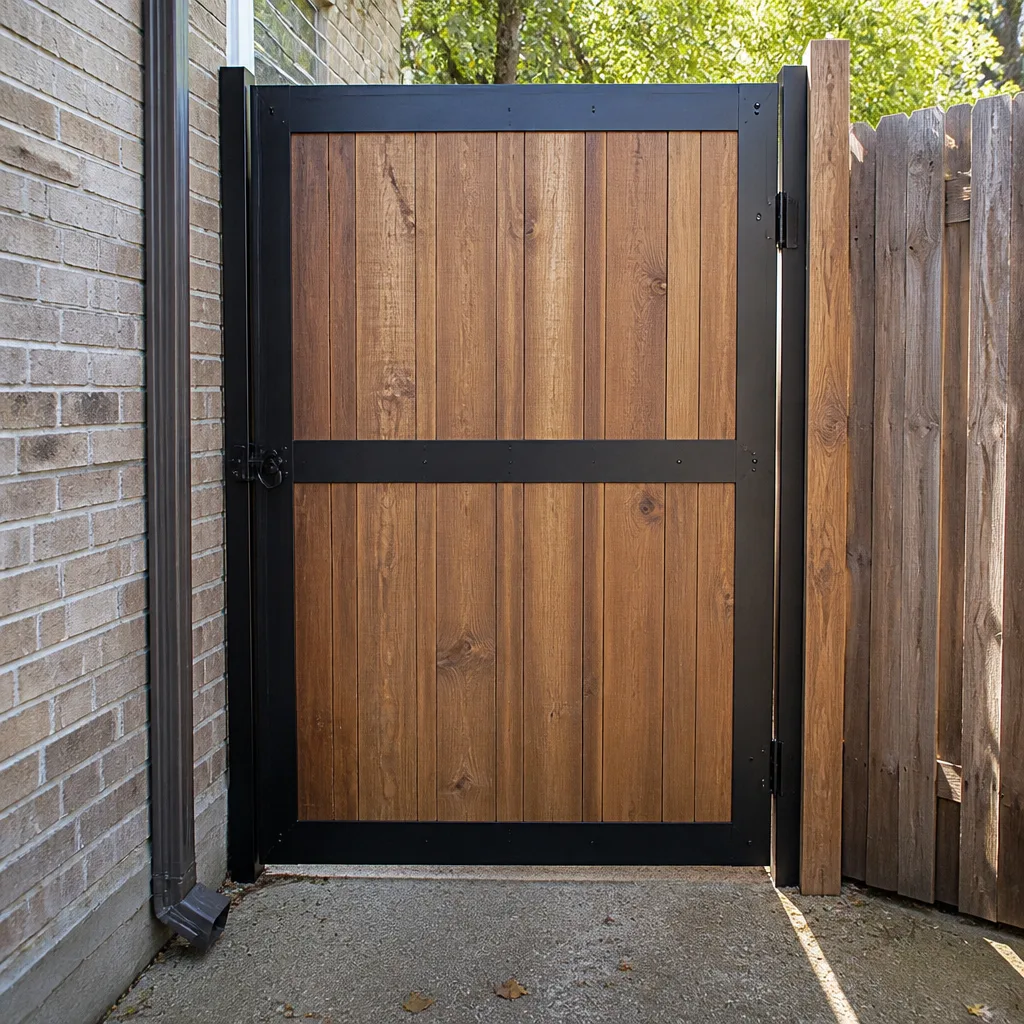 Wood & steel frame
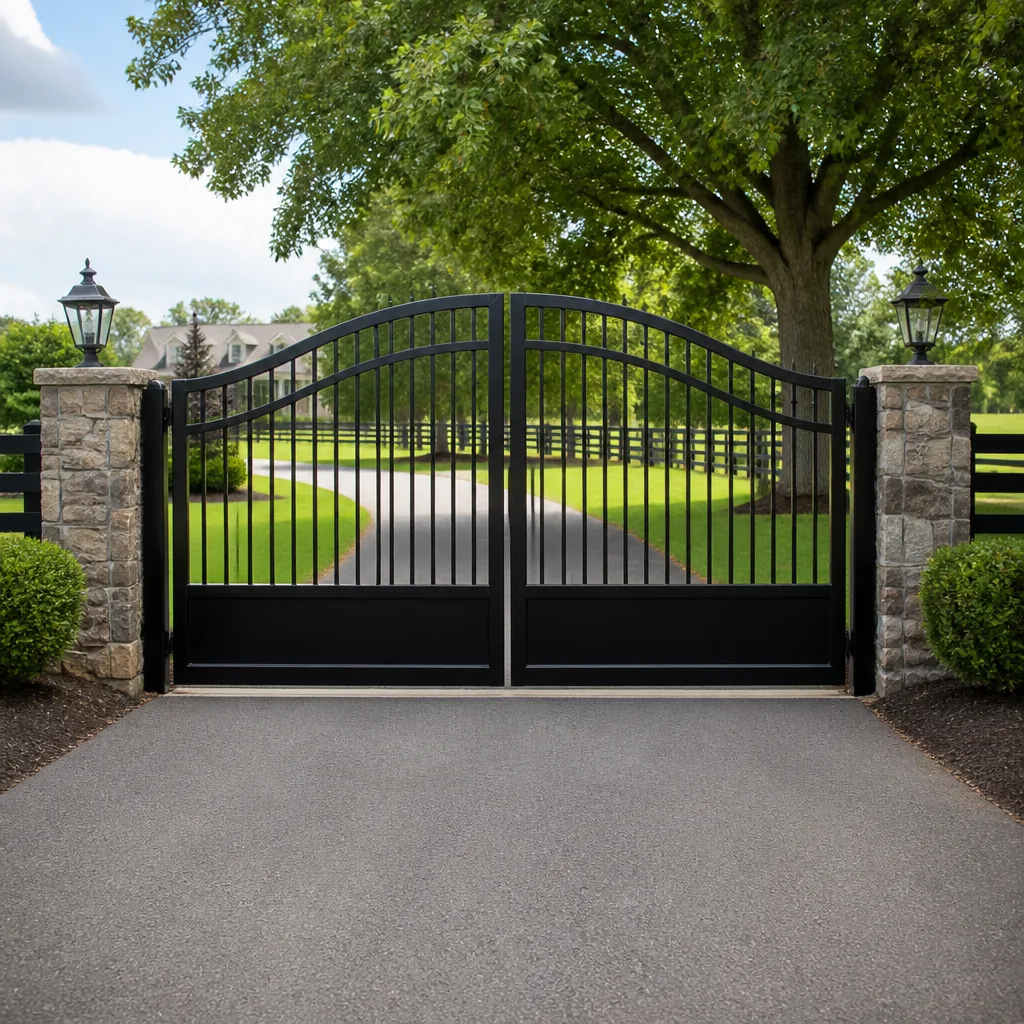 Farm & ranch
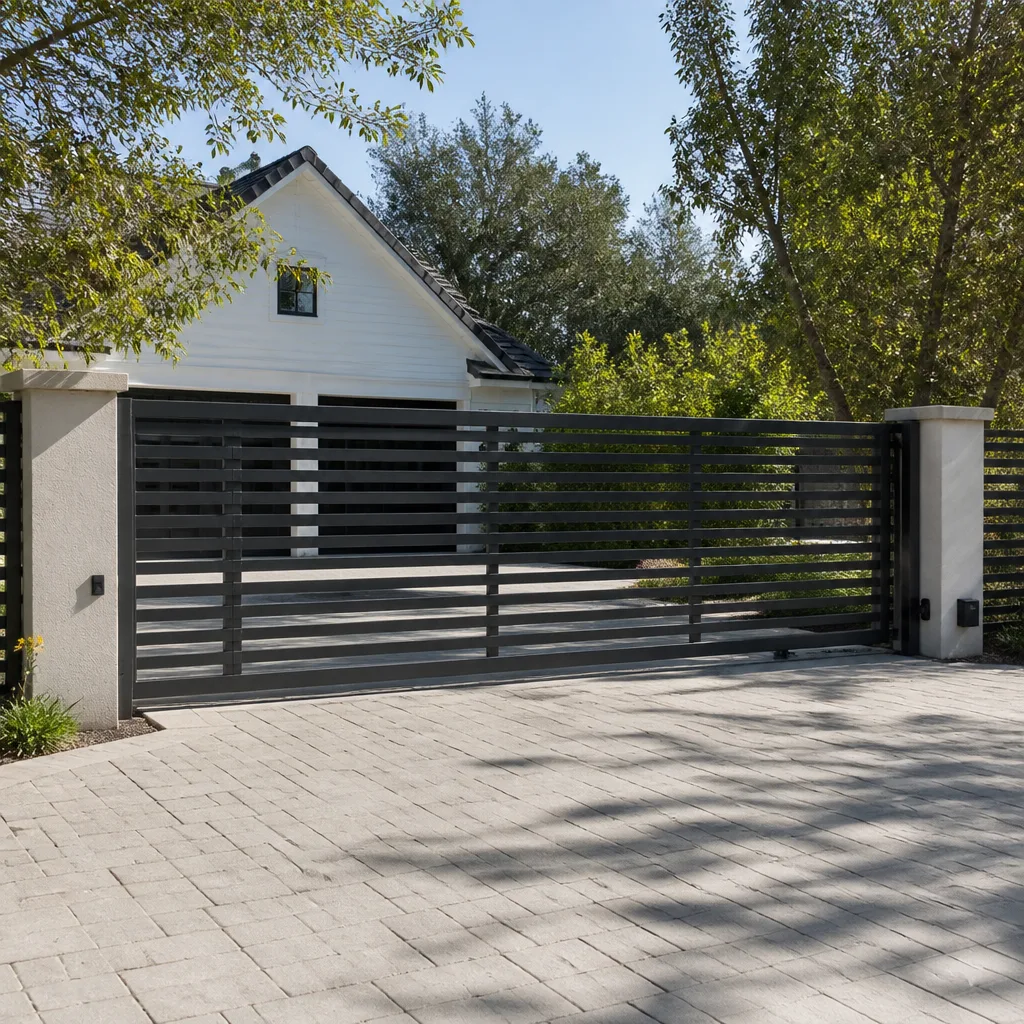 Sliding driveway gates
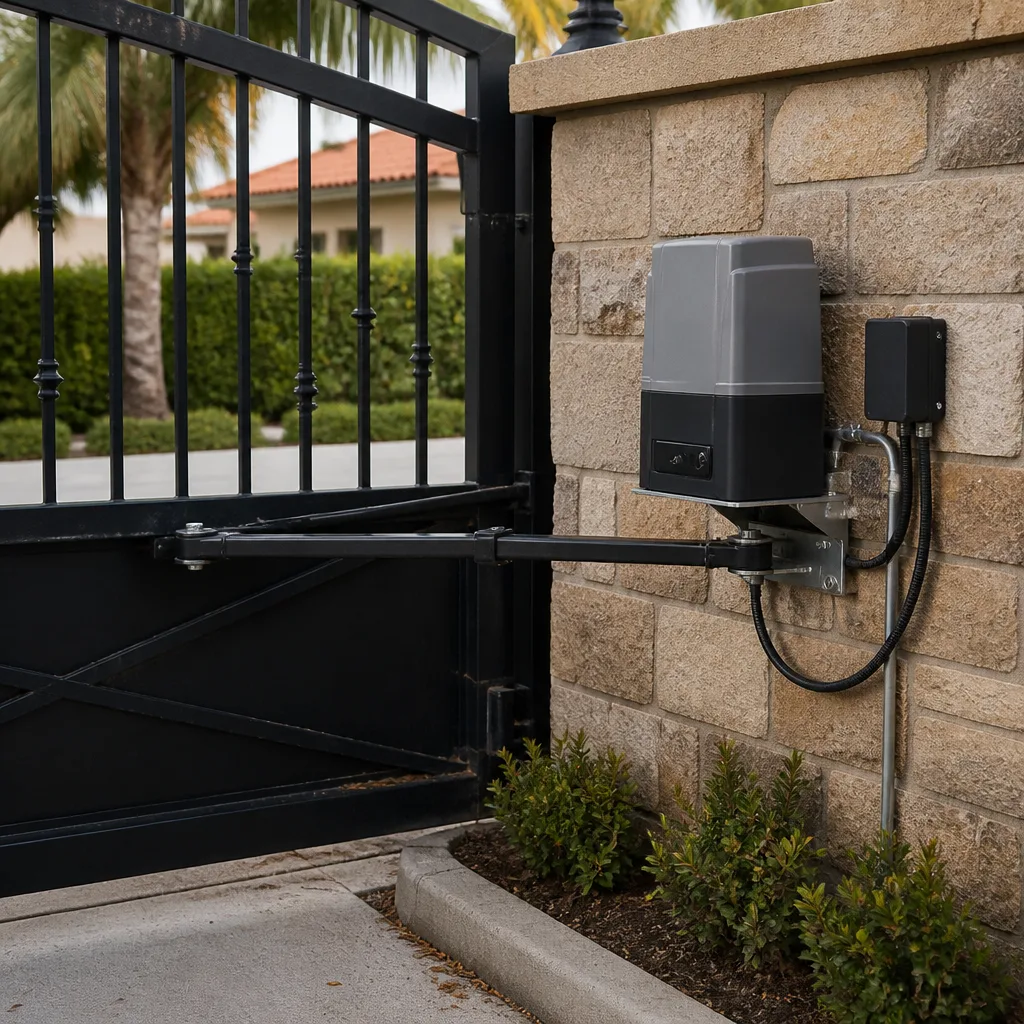 LiftMaster operators
Free on-site gate assessment - hinges, posts, and your LiftMaster or Nice gate operator checked before anything is quoted
The assessment is free and the quote is the invoice.
Get your free estimateGate Repair Cost Breakdown: The Dallas Homeowner’s Reference for 2026
The most expensive gate repair outcome in Dallas isn’t a motor replacement. It’s a motor replacement that was recommended when a $90 limit switch adjustment was the actual fix. That happens more often than most homeowners realize, and it happens because gate systems are unfamiliar enough that a padded diagnosis rarely gets questioned. This guide walks through realistic 2026 cost ranges for every major repair category in Dallas, explains what pushes a job toward the high or low end of each range, and shows you how to read a written quote line by line. For professional help with any of these issues, our Gate Repair services cover the full range of residential and commercial systems. By the time you’re done, you’ll know whether the number on the estimate matches the actual work being described.
Quick Answer
Gate repair costs in Dallas in 2026 typically run $165 to $1,450 depending on the repair type. A limit switch adjustment usually costs $90 to $180, a chain or belt replacement runs $200 to $475, a control board replacement lands between $325 and $750, and a full gate motor replacement ranges from $675 to $1,450 including parts and labor. The specific repair type matters far more than any single “average cost” figure you’ll see elsewhere.
Styles & brands we work with
Table of Contents
- Cost Ranges by Repair Type: Dallas 2026 Data
- Parts vs. Labor: What a Fair Quote Actually Looks Like
- After-Hours and Emergency Call Pricing in Dallas
- OEM vs. Aftermarket Parts for Major Gate Motor Brands
- How to Read a Written Quote Line by Line
- Dallas-Specific Factors That Affect Gate Repair Costs
- When Repair Beats Replacement (and When It Doesn’t)
- DIY vs. Professional Gate Repair: What’s Actually Safe to Attempt
Cost Ranges by Repair Type: Dallas 2026 Data
Gate repair is not one job. It’s fifteen or twenty distinct jobs that happen to share the same phrase. A homeowner who knows the range for their specific repair type can spot a padded quote immediately, and that knowledge is worth more than any single cost figure. Here are the repair categories we see most often across Dallas, from Preston Hollow down to Red Oak, with realistic 2026 price bands. For a complete seasonal overview, see our Gate Repair Maintenance Checklist for Dallas Homeowners.
Limit Switch Adjustment or Replacement
A limit switch tells the gate motor where to stop. When it drifts out of alignment, the gate stops short, overtravels, or reverses at the wrong point. This is the most common gate problem in Dallas, and it’s also the most commonly misdiagnosed repair. The adjustment itself is a 20-minute job. The switch, if it needs replacing rather than adjusting, costs $25 to $60 for the part.
- Adjustment only: $90 to $180
- Switch replacement: $120 to $240 including the part
- What pushes it higher: A switch buried deep in a rusted housing, or a system that requires removing the motor cover with corroded screws
- What pushes it lower: A newer system with easy access, or a repair bundled with routine maintenance
If a technician tells you the motor needs replacing and your gate’s only symptom is stopping at the wrong spot, get a second opinion. A motor that runs fine but stops wrong is rarely a motor problem.
Chain or Belt Replacement
Rolling gates and some slide gate systems in Dallas use chains or belts to transfer motor power to the gate itself. These stretch, rust, and eventually break. A snapped chain is obvious. A stretched chain that’s skipping teeth is less obvious but just as much of a problem. The part cost here is low to moderate. The labor is where the real money sits, because the chain typically has to be resized and tensioned correctly, not just swapped.
- Chain replacement: $200 to $475
- Belt replacement: $180 to $400
- What pushes it higher: Long driveways with extended chain runs, commercial-duty chain sizes, or a chain that damaged its sprocket when it failed
- What pushes it lower: Shorter residential gates where the chain is easily accessible and the sprockets are still in good shape
In our experience across Dallas, a chain that snapped usually took a sprocket with it. That adds anywhere from $60 to $140 to the job if the sprocket also needs replacing. A written quote should state whether the sprocket is included or extra.
Control Board Replacement
The control board is the brain of the gate motor. When it fails, the gate may not respond to remote signals, may open but not close, or may sit dead with a blinking error light. Control boards range from simple relay logic boards to programmable logic controllers that handle safety sensors, loop detectors, and remote receivers. The board for a Mighty Mule residential unit costs less than the board for a DoorKing commercial slide gate operator, and the labor scales accordingly.
- Residential board replacement: $325 to $550
- Commercial or high-cycle board replacement: $500 to $750
- What pushes it higher: Boards that require reprogramming from scratch after installation, or systems where the board is mounted in a hard-to-reach location
- What pushes it lower: Plug-and-play boards with connectors that don’t require rewiring, or boards already programmed by the manufacturer
Control board replacement is where we see the most quote inflation in Dallas. A board that costs $175 wholesale is sometimes quoted at $650 with a vague “electrical repair” line item. A legitimate quote names the board, the part number, and separates the part cost from the labor. If the quote doesn’t do that, ask why.
Hinge Weld Repair
Heavy steel and wrought iron gates in Dallas neighborhoods like Highland Park and Lakewood put enormous stress on their hinges. Weld failures at the hinge are common, especially on gates that are more than ten years old or that were installed without proper support posts. This is a repair that requires a mobile welder or a gate technician with welding capability. It’s not something a general handyman should attempt.
- Single hinge weld repair: $150 to $350
- Multiple hinge repairs or reinforcement: $300 to $700
- What pushes it higher: Gates that must be removed and temporarily supported to access the hinge, or ornamental work that requires aesthetic blending after the weld
- What pushes it lower: A single hinge on a lightweight gate where the technician can weld in place
Before the weld happens, a good technician checks whether the post itself has shifted. Welding a hinge back onto a post that’s leaning will fail again within a year. The post re-anchor is the repair that actually needed to happen, and we cover it next.
Post Re-anchoring or Replacement
In Dallas, gate posts fail for two reasons: soil movement and rust. The black clay soil that dominates much of North Texas expands and contracts with moisture, and over years of wet-dry cycles, a concrete footing that was adequate at installation can crack or shift. Rust is the other culprit, especially on posts that sit in irrigation splash zones. When a post moves, the gate binds, the motor strains, and the whole system works harder than it should.
- Re-anchor existing post: $300 to $650
- Post replacement with new concrete footing: $450 to $900
- What pushes it higher: Posts set in deep, wide footings that require jackhammering to remove, or posts that need custom fabrication to match the existing gate style
- What pushes it lower: A post that can be stabilized with additional concrete without removal, or a small pedestrian gate post
This is the repair we see most often being deferred. Homeowners notice the gate dragging, they call about motor problems, and the real issue is a post that’s moved half an inch. The motor is fine. The foundation isn’t. When we do gate repair in Dallas, post stability is one of the first things we check, because fixing a motor on a shifting post is throwing money at the wrong problem.
Full Gate Motor Replacement
This is the big one, and it’s also the one where the difference between a fair price and a padded quote is the largest dollar amount. A full motor replacement involves removing the old operator, installing the new one, mounting the arm or chain drive, wiring the control board, installing safety sensors if they’re not present, and programming the remotes and keypads. It’s a multi-hour job on most systems.
- Residential swing gate motor replacement: $675 to $1,100
- Residential slide gate motor replacement: $800 to $1,450
- Commercial or high-traffic motor replacement: $1,400 to $2,800
- What pushes it higher: Dense landscaping that requires arm modifications, systems without existing safety edges or photo eyes that must be brought up to code, or motors that require custom mounting plates
- What pushes it lower: Direct drop-in replacements for the same model motor, or installations where the existing wiring and safety sensors are in good condition and can be reused
The brand matters here. A Ghost Controls residential operator is priced differently from a DoorKing or Elite commercial unit. If the technician recommends a motor replacement, ask specifically what brand and model they’re proposing, and get the price of the motor itself separated from the labor. A fair quote will do that without hesitation.
Parts vs. Labor: What a Fair Quote Actually Looks Like
Gate repair quotes break down into two buckets: the parts and the labor. Understanding what a reasonable split looks like for each job type is the fastest way to spot a quote that’s hiding something. Here’s what we see in Dallas across the major repair categories.
The Standard Splits
- Limit switch adjustment: 90% labor, 10% parts. The part is cheap. You’re paying for the diagnostic knowledge and the time.
- Chain or belt replacement: 60% parts, 40% labor. The chain itself is the bulk of the cost, especially for longer runs.
- Control board replacement: 50% parts, 50% labor. The board cost is significant, and so is the time spent wiring and programming.
- Hinge weld repair: 20% parts, 80% labor. The welding rod and grinding disk cost almost nothing. You’re paying for skill and equipment.
- Post re-anchoring: 40% parts, 60% labor. Concrete and new hardware are real costs, but the digging, mixing, and setting are the time sinks.
- Full motor replacement: 55% parts, 45% labor. The motor is the major cost, but installation is involved.
When a quote deviates wildly from these splits, that’s a signal to ask questions. A control board replacement quoted at 90% labor probably means the technician is marking up a cheap board or padding the hours. A hinge weld quoted at 80% parts makes no sense at all.
Red Flags in Quote Structure
- “Repair fee” without description. If the line says “repair fee” or “service charge” and nothing else, ask what it covers. Every legitimate repair has a name.
- Parts cost that’s exactly round. Parts costs like “$300 exactly” often mean the actual part was $150 and the rest is hidden labor. Real part prices are rarely round numbers.
- Labor hours that don’t match the job. A limit switch adjustment doesn’t take three hours. If the labor hours seem high for the described repair, ask for the breakdown of what happens in each hour.
- One line item for everything. “Gate repair: $850” tells you nothing. A fair quote itemizes parts, labor, and any trip or diagnostic fee separately.
We provide a written price before any work starts on every job we do in Dallas. That’s not a sales pitch, it’s the way we’ve operated since 2008 at Carver Gate Repair. The number on the quote is the number on the invoice, and every line item names what it actually covers.
After-Hours and Emergency Call Pricing in Dallas
Gates fail at inconvenient times. A gate that won’t close at 9 p.m. means a security problem that can’t wait until morning. A gate that won’t open at 6 a.m. means a car trapped in the driveway. Emergency gate repair in Dallas comes with a premium, and that’s legitimate. The question is whether the premium you’re quoted is reasonable or inflated.
How Emergency Premiums Are Typically Structured
Most Dallas gate repair companies add an after-hours surcharge to their standard trip and diagnostic fee, plus a higher hourly labor rate for the duration of the after-hours work. The surcharge typically covers the cost of dispatching a technician outside normal hours, and it’s usually a flat fee rather than a percentage of the total.
- Standard emergency call-out fee in Dallas: $75 to $150
- After-hours hourly rate: 1.5x to 2x the standard rate
- Weekend and holiday calls: Typically the same as after-hours rates
- Overnight calls (10 p.m. to 6 a.m.): Some companies add an additional $50 to $100 flat premium on top of the standard emergency fee
That means a $350 repair done at 11 p.m. on a Saturday might reasonably cost $500 to $575. What you should not accept is a quote that triples the price or adds “emergency” as an unquantified percentage. The premium should be stated in dollars, in writing, before the work begins.
When an Emergency Price Is Inflated
- The premium is quoted as a percentage of the total repair, not a flat dollar amount
- The base repair price itself is higher than the normal range for that repair type, before the emergency fee is applied
- The technician won’t give a written price before starting work, even for the after-hours call
- The emergency fee is described vaguely, like “after-hours considerations” without a number attached
At Carver Gate Repair Dallas, phones are answered by a live person 24 hours a day, 7 days a week, including weekends and holidays. That means you’ll always reach someone who can talk through the situation, and if the problem can wait until morning, we’ll tell you that honestly. If it can’t, you’ll get a written price before the truck rolls.
OEM vs. Aftermarket Parts for Major Gate Motor Brands
Every gate motor has a manufacturer’s replacement part for every component, and a third-party version of that part that usually costs less. The choice between OEM and aftermarket matters, and it’s not always as simple as “OEM is better.”
What OEM Means in Gate Repair
OEM stands for Original Equipment Manufacturer. When you buy an OEM control board for a Ghost Controls motor, it’s the same board that Ghost Controls puts in the motor at the factory. It’s guaranteed to fit, guaranteed to work with the existing wiring and programming, and typically covered by the manufacturer’s own warranty. The downside is cost. OEM parts run 20% to 60% higher than aftermarket equivalents.
What Aftermarket Parts Actually Are
Aftermarket parts are made by third-party manufacturers to work with major gate motor brands. The quality range is wide. Some aftermarket parts are excellent, made by companies that specialize in compatible electronics and meet or exceed OEM specifications. Others are cheap imports with short lifespans. The problem for a homeowner is that you can’t tell the difference by looking.
When Each Makes Sense
- Aftermarket is fine for: Chain, belts, remote controls, keypads, and photo eye sensors. These are commodity components where aftermarket quality is consistently good and the risk of failure is low.
- OEM is worth the premium for: Control boards, limit switches, and motors. These are the components where a mismatched or low-quality part can cause cascading problems, and where programming compatibility matters.
- Never accept mystery-brand parts for: Any safety component. Photo eyes, safety edges, and loop detectors should always be recognized brand names, whether OEM or reputable aftermarket.
We work on nine gate-motor brands including Mighty Mule, Ghost Controls, and Elite, and we match the replacement part to the system already installed. For a Mighty Mule residential unit, a quality aftermarket remote is fine. For the control board, we’ll recommend the OEM part, and we’ll explain why in the written quote.
The Cost Difference in Practice
Here’s what the OEM vs. aftermarket decision looks like in Dallas pricing for common components:
- Remote control: OEM $45 to $75, aftermarket $25 to $45. Aftermarket is usually fine.
- Photo eye sensor: OEM $60 to $110, aftermarket $35 to $70. Aftermarket quality is generally good.
- Control board: OEM $165 to $350, aftermarket $95 to $225. OEM is the safer choice for most systems.
- Limit switch: OEM $25 to $60, aftermarket $12 to $35. The price difference is small enough that OEM rarely matters.
A fair quote will tell you which type of part is being used and why. If the quote just says “replacement part” without naming a brand or specifying OEM vs. aftermarket, that’s a gap you should ask about before approving the work.
How to Read a Written Quote Line by Line
A written quote is either a transparent document or a place to hide money. Here’s what a legitimate gate repair quote in Dallas should contain, line by line, and what each line should actually say.
A Legitimate Quote Contains These Elements
- Company name, address, and phone number. If the quote doesn’t identify who’s doing the work, walk away. This is the minimum standard for legitimacy.
- Customer name and service address. A quote generated for someone else tells you the company isn’t paying attention.
- Diagnosis in plain language. “Limit switch misalignment causing gate to overtravel” is good. “Gate malfunction” is not.
- Each repair item separately. Parts and labor should be on separate lines or clearly broken out. One line that says “repair gate: $600” is not a quote, it’s a number.
- Part names and brands. “Control board, DoorKing, OEM” is what you want. “Electrical component” is what you don’t want.
- Labor hours and rate. “Labor, 2 hours at $95/hour” tells you exactly what you’re paying for. “Labor: $350” with no breakdown hides the hourly rate.
- Any trip, diagnostic, or emergency fees. These should be stated in dollars, not percentages, and should not be surprises.
- Total price in writing. The number at the bottom should be the number you pay. Our written price is delivered before any work starts, and it doesn’t change once the job is open.
Where Overcharging Hides
- “Miscellaneous parts” or “hardware.” This vague category is where small overcharges accumulate. Ask for the specific items.
- “Shop supplies” or “materials fee.” Some companies add 5% to 10% of the total for unspecified supplies. Legitimate consumables cost a few dollars and should be itemized.
- “Minimum labor charge” combined with a short job. A $150 minimum labor charge on a 20-minute limit switch adjustment means you’re paying $450/hour. The minimum may be legitimate to cover the dispatch cost, but it should be stated before the visit, not after.
- “Permit fee” on a repair that doesn’t require one. Repairs that don’t alter the gate structure or electrical service generally don’t require permits in Dallas. If a permit fee appears on a simple repair, ask to see the permit.
- “Fuel surcharge” or “travel fee” without a stated amount. Travel costs should be built into the standard pricing or stated as a flat fee before the appointment. They should never be a surprise on the final invoice.
We operate to The Garrison Standard, which means every repair gets a written guarantee good for a full year, a written price before work begins, and a free second visit if the repair fails inside the guarantee window. Those aren’t premium options. They’re the baseline. If a quote doesn’t include at minimum a written price and some form of written workmanship guarantee, that’s information about how the company operates.
Dallas-Specific Factors That Affect Gate Repair Costs
Gate repair costs aren’t universal. The same job in Phoenix and in Dallas can carry different price tags, and the reasons are specific to this city’s climate, soil, and building patterns. Here’s what Dallas homeowners should know.
The Expansive Clay Soil Problem
North Texas sits on expansive clay soil that swells when wet and shrinks when dry. That movement puts stress on gate posts, footings, and the gate’s structural frame. We see more post failures in Dallas than in cities with sandy or rocky soil, because the seasonal wet-dry cycles here are aggressive. The result: post re-anchoring and replacement is a more common repair type in Dallas than in many other markets, and it’s one that homeowners here should budget for on gates older than ten years.
The same soil movement affects gate alignment. A gate that was perfectly level when installed may be scraping or binding five years later because the posts have moved a fraction of an inch. A good Dallas gate technician checks post alignment before assuming a mechanical problem, because the fix for a binding gate is sometimes a post adjustment rather than a motor replacement.
Summer Heat and Motor Wear
Dallas summers run long and hot. Gate motors mounted in steel or aluminum enclosures can reach interior temperatures that shorten the life of capacitors and control board components. We see a noticeable uptick in control board failures in late summer, after months of heat cycling. The cooling systems in newer motors handle this better than older units, but no motor is immune. Homeowners in Dallas should understand that a motor installed in full sun on a south-facing wall will generally fail sooner than the same motor in a shaded location.
Housing Stock and Gate Types
Dallas has a mix of older established neighborhoods and newer subdivisions. Neighborhoods like Lakewood, Preston Hollow, and the Park Cities tend to have ornamental steel and wrought iron gates, often on mature properties with established landscaping. These gates are heavy, and their repair costs tend toward the higher end of the ranges because the work requires careful aesthetic handling. Newer subdivisions in places like Frisco and McKinney more often have aluminum gates and standard residential operators, where repair costs sit at the lower end of the ranges.
The age of the housing stock also matters. A gate installed in 2005 on a home in Richardson is twenty years old in 2026. Its motor, wiring, and posts have all been through two decades of Dallas summers and clay soil movement. Repair costs on that gate will trend higher than on a five-year-old installation, simply because more components are approaching end of life.
What Dallas Homeowners Should Budget Annually
We recommend setting aside $200 to $400 per year for gate maintenance and minor repairs on residential systems. That covers things like limit switch adjustments, chain tensioning, sensor realignment, and remote battery replacement. It’s the difference between catching problems early at $150 a visit and discovering a failed control board at $600 in August. For more detail on our approach to keeping gates running, see how we handle gate motor repair in Dallas.
When Repair Beats Replacement (and When It Doesn’t)
The repair-versus-replace decision is where good gate companies earn their money and bad ones take yours. The rule isn’t complicated: repair when the failed component is isolated and the system is otherwise sound. Replace when the system has reached the point where repairs will recur faster than they’re worth.
Repair Makes Sense When
- The motor is less than eight years old and the failure is a single component, like a limit switch or capacitor
- The gate structure and posts are in good condition
- The safety sensors and wiring are functioning properly
- The repair cost is less than 40% of a full replacement cost
- The motor is a current model with parts still readily available
Replacement Makes Sense When
- The motor is more than twelve years old and has required multiple repairs in the past two years
- The gate posts are compromised and a full re-anchoring would be required in addition to the motor work
- Parts for the existing motor are discontinued or require long lead times
- The repair cost exceeds 50% of the replacement cost, and the system is near the end of its expected life
- The existing system lacks safety features like photo eyes and safety edges that are now standard, and adding them piecemeal costs nearly as much as a modern system
When replacement is the right call, the work shifts from repair territory into installation, and we handle it as a measured, quoted job rather than an emergency response. For new gates and full gate installation in Dallas, we provide a free measure and a written price, and the work is scheduled and completed at a deliberate pace. A rushed replacement is a bad replacement.
DIY vs. Professional Gate Repair: What’s Actually Safe to Attempt
Some gate maintenance tasks are reasonable for a Dallas homeowner to handle. Others are genuinely dangerous. Browse our more guides & resources for additional safety and maintenance advice. Here’s the honest split, from a company that has seen the outcomes of both approaches.
Safe to Do Yourself
- Remote control battery replacement: Obvious, but worth listing because it’s the most common “repair” that’s actually just a dead battery
- Photo eye cleaning: Dust and spider webs on the sensor lenses cause more false reversals than any actual malfunction
- Track cleaning on slide gates: Debris in the track interferes with smooth operation and can often be cleared with a broom or blower
- Visual inspection: Looking for obvious wear on chains, visible rust on posts, or listening for unusual sounds during operation costs nothing and catches problems early
- Lubrication: Applying the correct lubricant to moving parts like hinges and rollers can extend their life, provided you use the right product for each component
Leave to a Professional
- Any wiring work: Gate systems run on line voltage and low voltage. Both can cause injury or fire when handled incorrectly
- Spring and counterweight work: Some gates use tension springs that store dangerous energy. A spring released incorrectly can cause serious injury
- Control board diagnostics and replacement: The board is connected to line voltage, and misdiagnosis can result in replacing a good board while the real problem persists
- Motor replacement: Beyond the electrical work, motors are heavy and mounted in awkward positions. Improper installation can damage the new motor or create a safety hazard
- Post repair and welding: Structural work on gates requires an understanding of load, alignment, and proper weld technique. A failed weld on a heavy gate is a safety incident waiting to happen
The line between DIY and professional work isn’t about skill pride. It’s about electrical safety, stored mechanical energy, and the weight of the components involved. A falling gate section weighs hundreds of pounds. A gate motor capacitor holds a charge even after power is disconnected. These are not risks worth taking to save a service call fee, and we say that as the company that would benefit from more service calls, not fewer.
See the difference
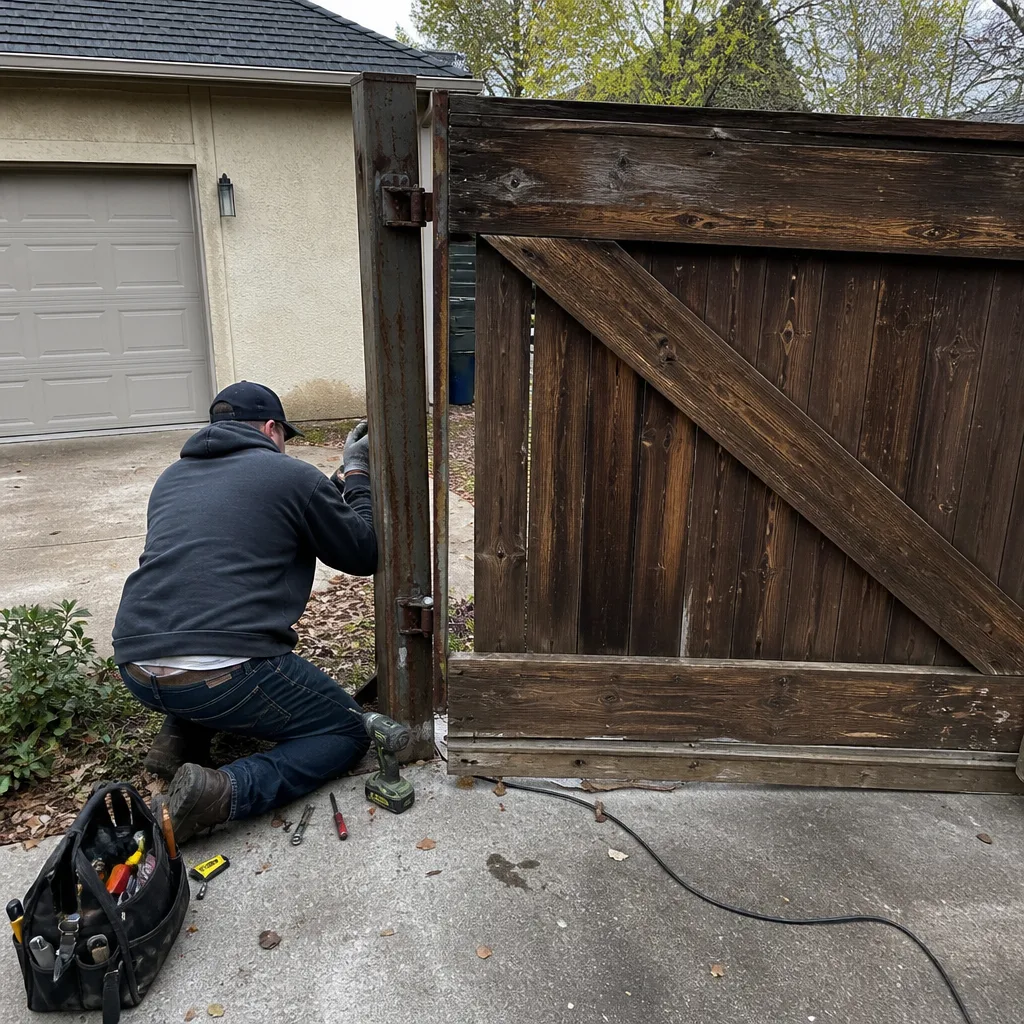 Before
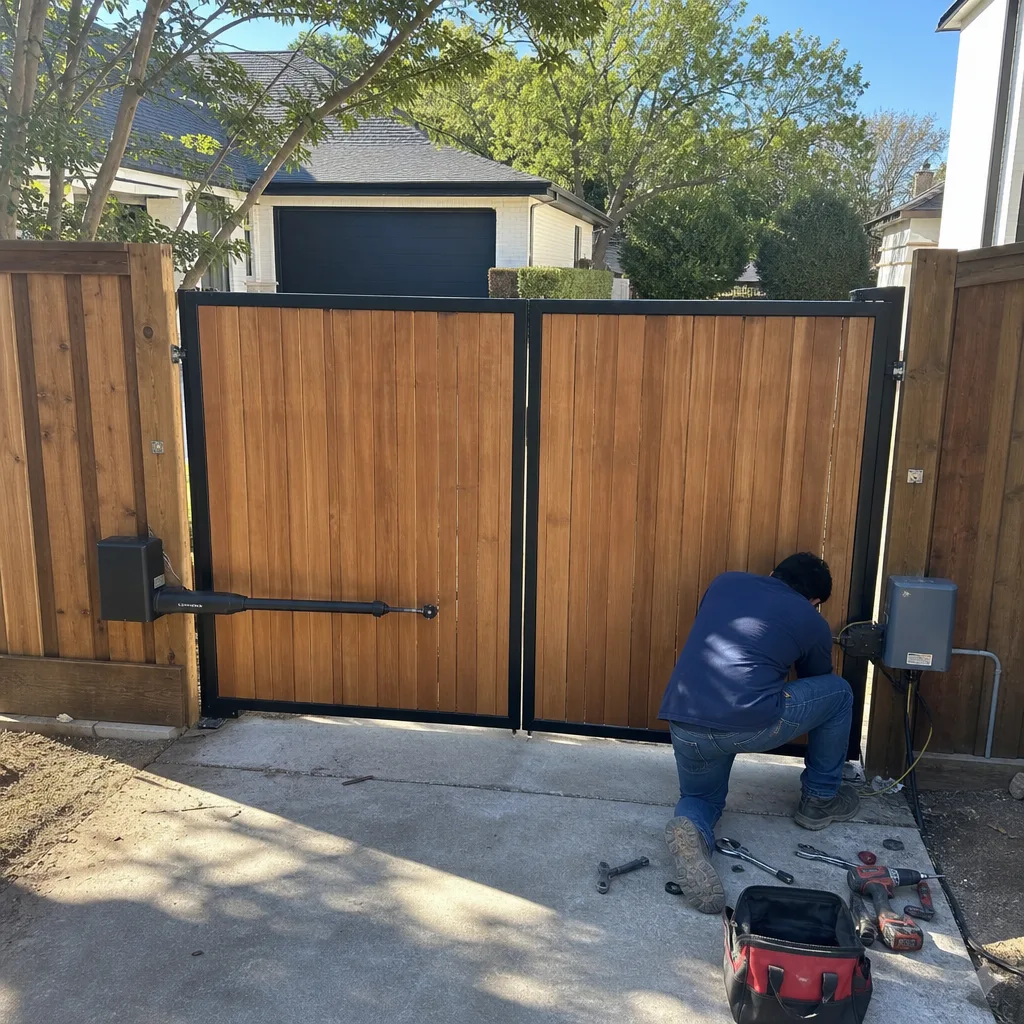 After
After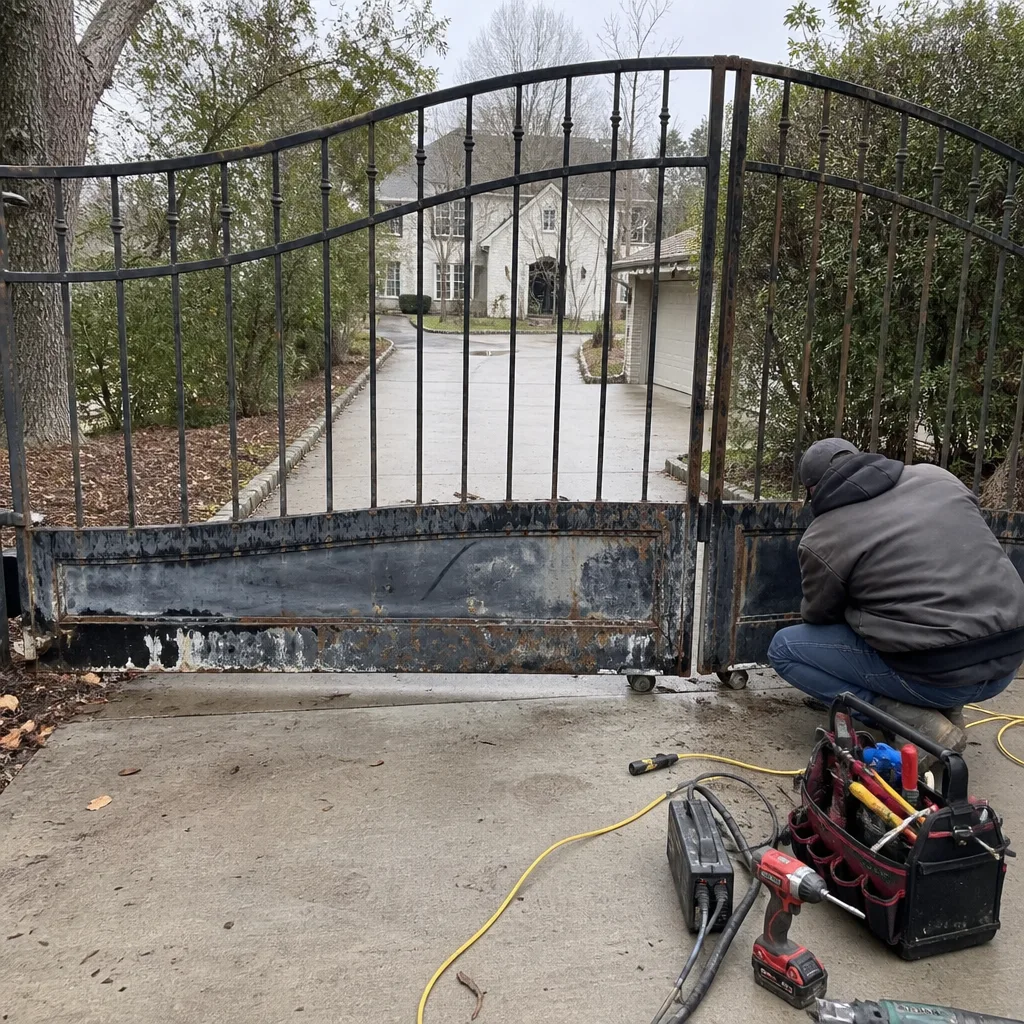 Before
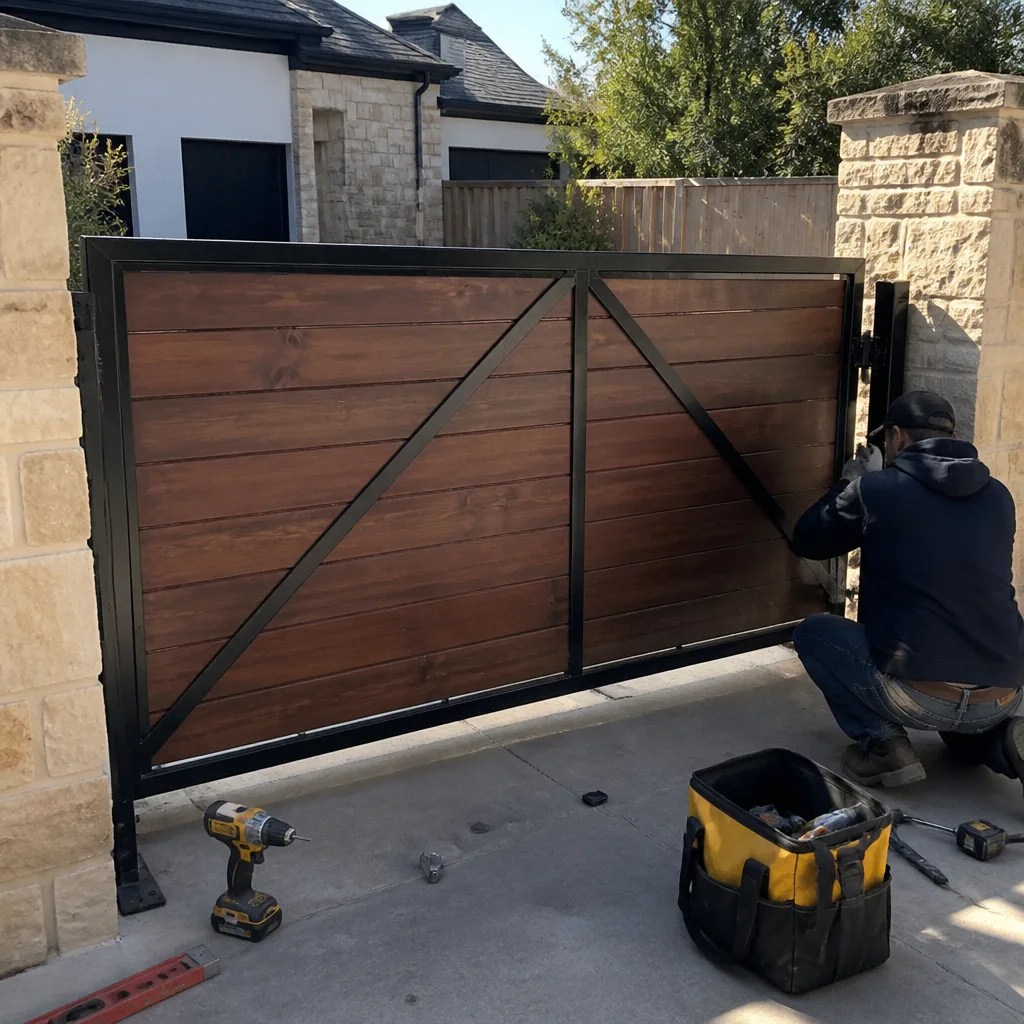 After
After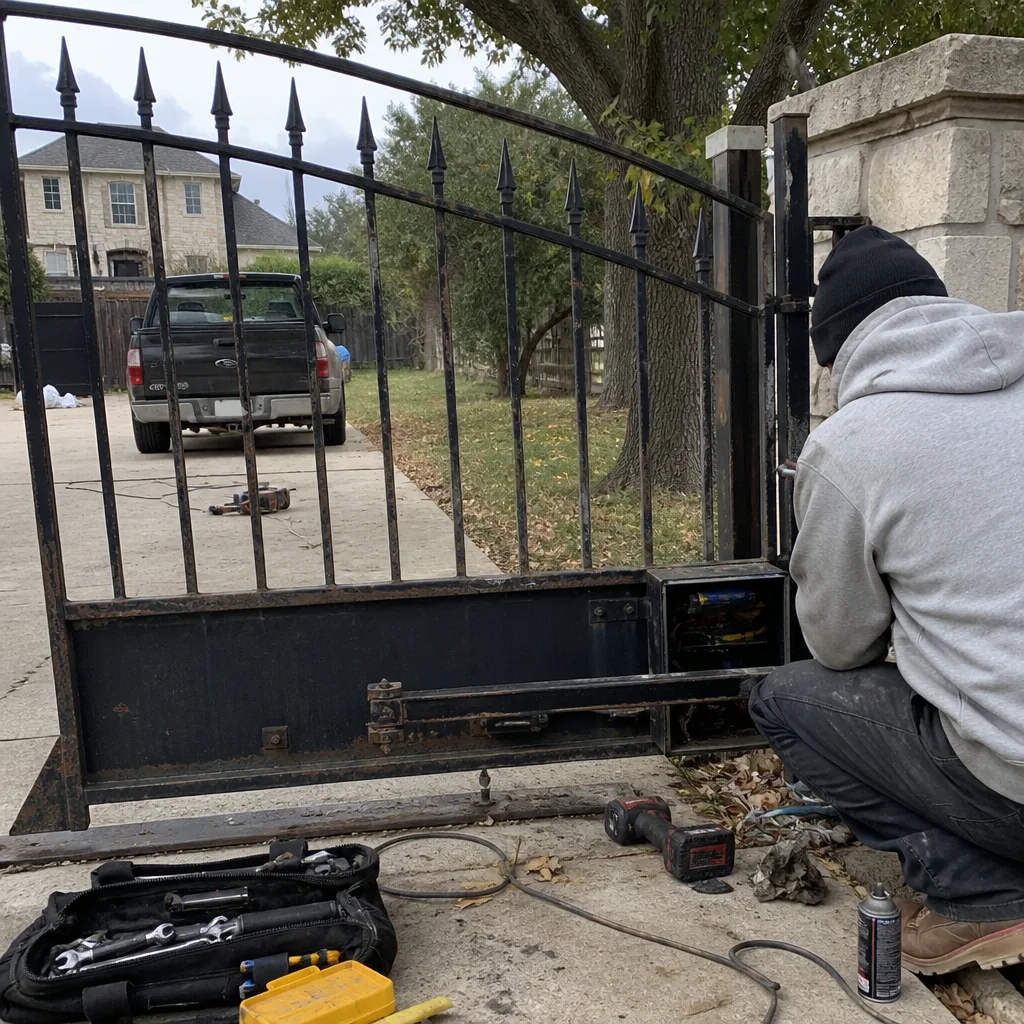 Before
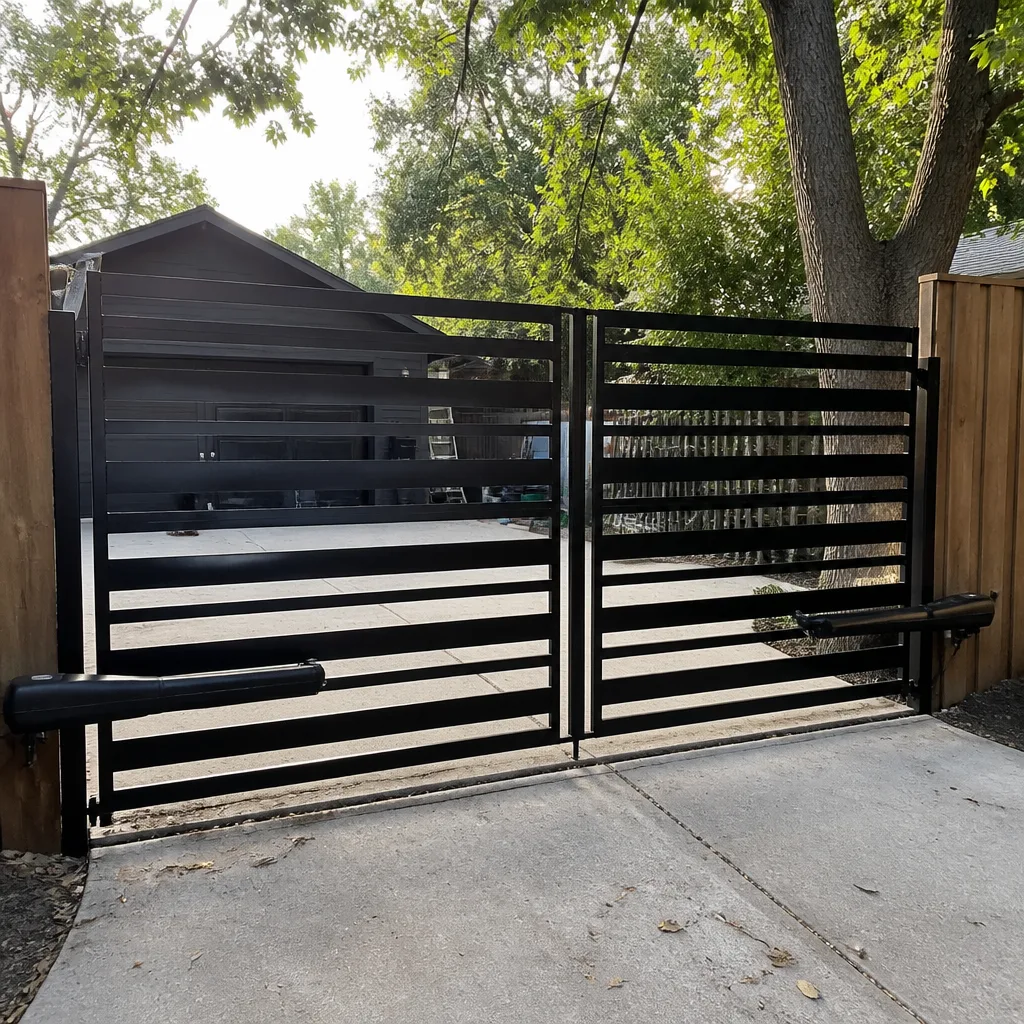 After
AfterCommon Mistakes to Avoid
- Approving a motor replacement without a second opinion. When a technician recommends replacing a motor that still runs, ask what specific component failed and why it can’t be repaired. A legitimate technician will explain the diagnosis in terms you can understand.
- Accepting a quote without a line-item breakdown. One number with no explanation is how overcharging hides. Every legitimate repair has a name and a price.
- Ignoring post movement because “the gate still opens.” A leaning post stresses every other component in the system. Waiting until the gate stops opening means paying for the post repair plus whatever the stress broke in the meantime.
- Choosing the cheapest quote without comparing what’s included. A quote that’s $100 cheaper but uses aftermarket parts on a control board and doesn’t include a workmanship guarantee isn’t cheaper. It’s just a lower number on the front end.
- Skipping safety sensor replacement because the gate “mostly works.” Safety sensors exist to prevent injury. A gate that operates without functioning photo eyes or safety edges is a liability waiting for an accident.
- Not getting the guarantee in writing. A verbal “we’ll make it right” is worth nothing. A written guarantee with a stated term, like the 365-Day Done Right Promise we put on every repair, is enforceable and tells you how the company views its own work.
- Deferring maintenance to save money. The $150 adjustment you skip becomes the $400 repair you can’t skip two months later. Gates don’t heal themselves.
When to Call a Professional
Call a gate professional when the gate stops responding to remotes or keypads, when it reverses unexpectedly or stops mid-travel, when it makes grinding or straining sounds, when the gate appears to sag or the posts show visible lean, or when any safety component like a photo eye or safety edge is damaged or not functioning. These are not cosmetic problems. They’re mechanical and electrical failures that tend to compound when ignored. Carver Gate Repair Dallas offers free estimates in Dallas. Call (940) 531-9746 and one of our team will walk through what you’re seeing and what it likely means. We’ll tell you honestly if it can wait or if it needs attention now, and you’ll get a written price before any work starts. That’s the way we’ve done it since 2008, and we don’t see a reason to change it.
Frequently Asked Questions
Gate repair in Dallas typically costs between $165 and $1,450 depending on the repair type. Minor repairs like limit switch adjustments run $90 to $180, mid-range work like chain replacement costs $200 to $475, and major repairs like motor replacement range from $675 to $1,450. The price depends on the specific failed component, the gate motor brand, and the condition of the surrounding system. For an exact quote on your repair, call (940) 531-9746 for a free estimate.
A residential gate motor replacement in Dallas costs $675 to $1,450 including parts and labor, with slide gate operators at the higher end and swing gate operators at the lower end. Commercial operators run $1,400 to $2,800. The final price depends on the motor brand, whether the existing wiring and safety sensors can be reused, and whether custom mounting is required. We’ll provide a written price before any work starts, so the number doesn’t move.
In most cases, yes. Common repairs like limit switch adjustments, remote reprogramming, and sensor realignment can typically be completed on the first visit. More involved work like motor replacement or post re-anchoring may require a follow-up visit if specific parts need to be ordered. Our phones are answered by a live person 24/7, so you can describe the problem and we’ll tell you honestly whether it’s a same-day fix.
A written gate repair quote should include the company name, the diagnosis in plain language, each repair item separately with part names and brands, labor hours and hourly rate, any trip or diagnostic fees, and the total price in writing. Vague line items like “miscellaneous parts” or “repair fee” are where overcharging hides. Every quote we provide in Dallas is itemized and delivered in writing before work begins.
A properly executed gate repair should last years, not months. That’s why we back every repair with a written guarantee good for a full year, called the 365-Day Done Right Promise. If the repair fails inside that window, we come back and fix it at no charge. No argument, no invoice, no questions. A repair that fails quickly was either misdiagnosed or executed poorly, and the company that did the work should stand behind it.
Are aftermarket gate parts reliable?
Aftermarket gate parts vary widely in quality. For commodity components like remotes, chains, and belts, reputable aftermarket parts are generally fine and cost less than OEM. For control boards and motors, OEM parts are worth the